Blog

  • How to Treat Athlete’s Foot in Summer: 5 Tips That Work

    How to Treat Athlete’s Foot in Summer: 5 Tips That Work

    SummaryLearn how to treat athlete’s foot in summer with these 5 tips — spot early symptoms, pick the right cream, and stop it from coming back.

    Ever notice your toes get itchier the moment summer hits, and you start worrying about the smell every time you take your shoes off? More people show up at clinics with these symptoms once the weather turns hot and humid. Knowing how to treat athlete’s foot in summer early can make the difference between a quick fix and a lingering problem.

    Athlete’s foot is a common fungal skin infection that thrives in warm, damp conditions, and it’s much easier to manage if you catch it early. This guide walks through how to treat athlete’s foot in summer — from spotting early symptoms to choosing the right cream.

    In short, the core of summer athlete’s foot care is keeping the skin between your toes dry and clean, and starting an antifungal cream (with a pharmacist’s guidance) as soon as symptoms appear. See a dermatologist if symptoms are severe or don’t improve within two weeks.
    how to treat athlete's foot in summer foot hygiene routine

    What are the early symptoms of athlete’s foot?

    The most common early sign is itchy, cracked, peeling skin between your toes.

    Athlete’s foot is a fungal skin infection caused by dermatophyte fungi that grow in the top layer of skin on the feet. According to Cleveland Clinic, it typically shows up as scaling, redness, cracking, and itching, most often between the fourth and fifth toes. Some people also develop small blisters on the sole, or thick, dry patches across the whole foot. Catching these changes early is the first step in how to treat athlete’s foot in summer effectively.

    Key Point
    Cracking, scaling, and itching between the toes are the classic early signs. Don’t self-diagnose for too long — a pharmacist or dermatologist can confirm it quickly.

    Why does athlete’s foot get worse in summer?

    Heat and humidity create the perfect environment for the fungus to multiply.

    Sweaty feet trapped inside shoes and socks all day create a warm, moist environment — exactly what dermatophyte fungi need to grow. That’s why clinics see more athlete’s foot cases in summer than any other season. Keep in mind that eczema and contact dermatitis can look similar, so it’s easy to mix them up. That’s exactly why learning how to treat athlete’s foot in summer matters more once the weather turns hot.

    Key Point
    The hotter and sweatier your feet get, the faster the fungus spreads. Managing sweat and keeping feet dry is step one of summer athlete’s foot care.
    Caution
    If you can’t tell whether it’s athlete’s foot or another skin condition, don’t keep switching creams on your own — get a proper diagnosis from a dermatologist.

    Which ingredients should you look for in an athlete’s foot cream?

    Over-the-counter creams with terbinafine or clotrimazole are common first choices, but check with a pharmacist before you start.

    Terbinafine is an antifungal ingredient known for working quickly against dermatophyte infections, often with a shorter treatment course. Clotrimazole covers a broader range of fungi, including yeast, so a pharmacist may recommend one over the other depending on your specific symptoms. Either option can play a role in how to treat athlete’s foot in summer, but the right choice depends on your symptoms.

    Checklist: Before you apply a cream
    ✅ Did a pharmacist confirm the right ingredient for your symptoms?
    ✅ Are you following the recommended duration and frequency?
    ✅ Is the skin free of open wounds or oozing?
    ✅ Have you checked in if there’s no improvement after 2 weeks?
    Caution
    If you’re pregnant, have diabetes, or the skin is broken or oozing, don’t self-treat — talk to a doctor or pharmacist first.

    How to Treat Athlete’s Foot in Summer So It Doesn’t Come Back

    Washing and fully drying your feet, plus wearing breathable shoes and socks, is the key to preventing a relapse.

    Switch to cotton socks daily and rotate between at least two pairs of shoes so each pair has time to dry out completely. This kind of routine is central to how to treat athlete’s foot in summer, and it lowers your risk of the infection coming back. In shared spaces like public pools or saunas, wear your own sandals, and avoid sharing towels or nail clippers with anyone, even family.

    Checklist: Summer foot habits
    ✅ Wash between your toes and dry them fully
    ✅ Wear breathable shoes and cotton socks
    ✅ Rotate at least two pairs of shoes
    ✅ Use your own sandals in shared spaces
    ✅ Don’t share towels or nail clippers

    (Internal link: recommended to replace once a related article is published) For more skin condition guides, visit our Disease Encyclopedia category.


    Frequently Asked Questions

    Q1. Is athlete’s foot contagious?
    Yes. It’s a fungal infection that spreads through contact with contaminated surfaces, towels, or shoes — locker rooms and shared showers are common sources.

    Q2. How long should I use athlete’s foot cream?
    Keep applying it for the full course your pharmacist recommends, even if symptoms clear up early. Stopping too soon is one of the most common reasons it comes back. Finishing the full course is one of the most overlooked parts of how to treat athlete’s foot in summer.

    Q3. What other skin conditions can be mistaken for athlete’s foot?
    Eczema, contact dermatitis, and dyshidrotic eczema can all look similar. If it’s not clearly improving, a dermatologist visit is safer than guessing.

    Q4. How should I care for my shoes to prevent athlete’s foot?
    Let the inside of your shoes dry out fully between wears, and rotate at least two pairs instead of wearing the same one every day.

    References

    1. Seoul Asan Hospital, Dept. of Family Medicine, “Symptoms and Management of Athlete’s Foot” (무좀), Medical Information (accessed 2026) Link
    2. Korean Pharmaceutical Journal (약사공론), “Clotrimazole vs. Terbinafine” (accessed 2026) Link
    3. Cleveland Clinic, “Athlete’s Foot (Tinea Pedis): Symptoms & Treatment” (accessed 2026) Link
    4. DXY (丁香医生), “Tinea Pedis” (足癣) (accessed 2026) Link
    5. Taisho Pharmaceutical Health Navi, “Athlete’s Foot (Dermatophytes)” (水虫(白癬菌)) (accessed 2026) Link

    This article is for general informational purposes only and is not a substitute for professional medical advice, diagnosis, or treatment. Please consult a qualified healthcare provider if you have health concerns.
  • Hand Foot Mouth Disease Symptoms & Transmission: 5 Key Facts for Parents

    Hand Foot Mouth Disease Symptoms & Transmission: 5 Key Facts for Parents

    SummaryIdentify hand foot mouth disease symptoms — fever, mouth sores, and blisters on the hands and feet. How HFMD spreads, treatment tips, and daycare return guidance. Based on KDCA 2025 and CDC guidelines.

    Every summer, daycare centers and kindergartens face the same challenge: hand, foot, and mouth disease spreading fast through groups of young children. Recognizing hand foot mouth disease symptoms early — such as sudden fever, blister-like rash on the hands and feet, and painful mouth sores — helps you act fast and limit spread. If your child shows these signs, you need clear answers quickly.

    Quick Summary
    Hand, foot, and mouth disease (HFMD) is a highly contagious viral illness caused by enteroviruses — most often coxsackievirus A16. It mainly affects children under 5. No vaccine or specific antiviral exists in Korea, Japan, or the US. The virus is most contagious in the first 7 days. Thorough handwashing and keeping sick children home are the most effective prevention strategies available.

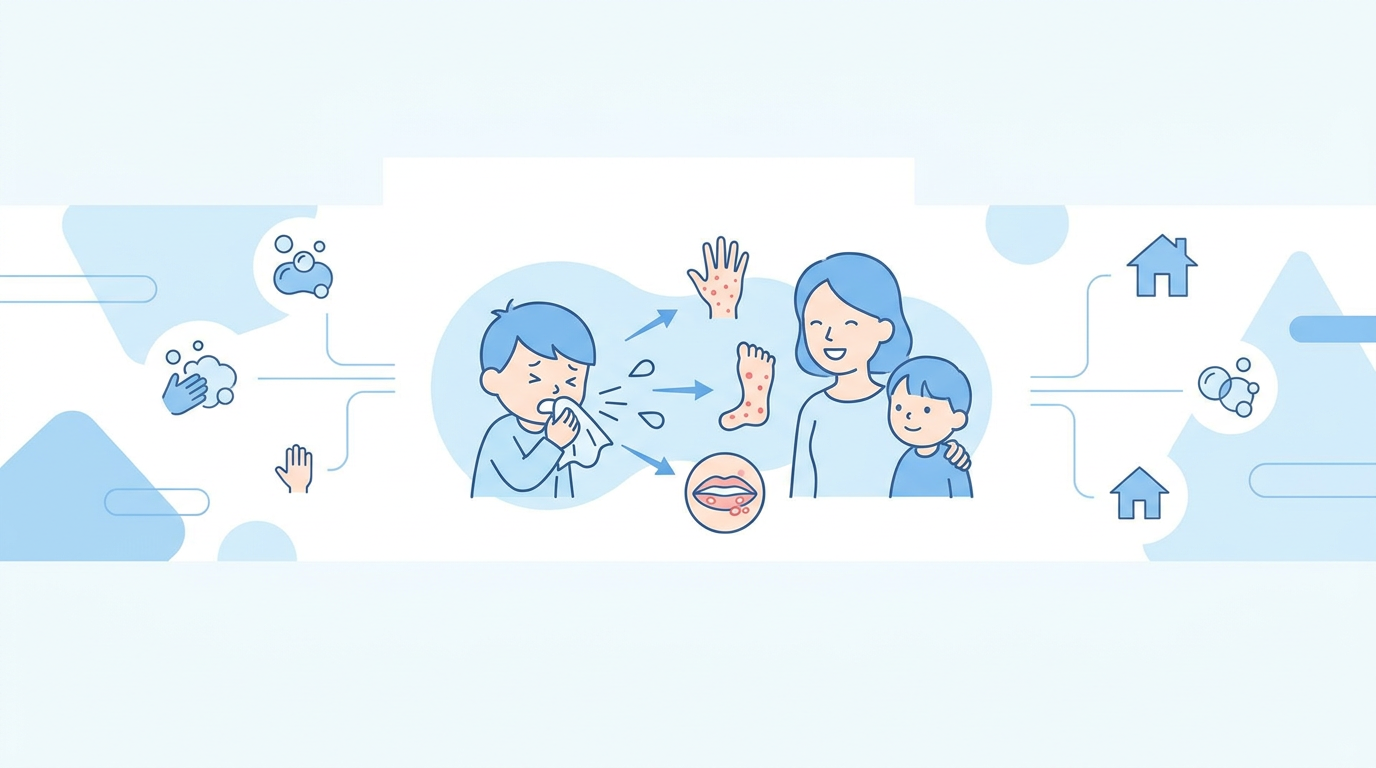
    Hand foot mouth disease symptoms and transmission routes illustrated

    What Is Hand, Foot, and Mouth Disease?

    Hand, foot, and mouth disease (HFMD) is an acute viral infection caused by enteroviruses — particularly coxsackievirus A16, coxsackievirus A6, and enterovirus A71 (EV-A71) — that produces blister-like sores inside the mouth and a rash on the hands and feet.

    HFMD is one of the most common childhood infections across East and Southeast Asia. In Korea, peak season runs from May through July, with outbreaks frequently reported in daycare centers and preschools. The 2025 Korea Disease Control and Prevention Agency (KDCA) guidelines note that while HFMD is not a legally notifiable disease, mass outbreaks should be reported to local public health centers to limit spread.

    Adults can also get HFMD — usually with mild or no symptoms. However, they can still transmit the virus to young children, often without realizing it. This silent spread is one reason HFMD is difficult to contain once it enters a group setting.

    Key Point — Main Causative Viruses
    • Coxsackievirus A16 — most common cause of hand, foot, and mouth disease worldwide
    • Coxsackievirus A6 — associated with a more widespread rash
    • Enterovirus A71 (EV-A71) — linked to rare but serious neurological complications, especially in infants

    Hand Foot Mouth Disease Symptoms: What to Expect

    Hand foot mouth disease symptoms follow a predictable pattern, with an incubation period of 3 to 6 days. Most children recover within 7 to 10 days without specific treatment.

    In the first 1 to 2 days, your child may develop a fever — typically 38 to 39°C (100 to 102°F) — along with sore throat, reduced appetite, and general tiredness. Then, small red spots, about 2 to 5 mm in size, appear inside the mouth on the tongue, gums, and inner cheeks. These quickly turn into painful ulcers that make eating and drinking difficult.

    Around the same time, a similar blister-like rash appears on the palms and soles of the feet. In some children, it spreads to the buttocks or knees. The blisters are usually more painful than itchy.

    The biggest risk during HFMD is dehydration. Because mouth sores make swallowing painful, children often refuse to eat or drink. Keeping your child hydrated is the single most important thing you can do at home.

    Hand Foot Mouth Disease Symptoms Checklist
    ✅ Fever (38°C / 100°F or higher) in the first 1–2 days
    ✅ Painful mouth ulcers — child refuses food or drinks
    ✅ Blister-like rash on palms and soles of feet (2–5 mm)
    ✅ Possible rash on buttocks, knees, or genitals
    ✅ Excessive drooling in infants and toddlers
    Seek immediate care if: fever lasts more than 2 days, persistent vomiting, limb weakness, or seizures occur
    Caution — Rare but Serious Complications
    In rare cases, HFMD can lead to encephalitis, myocarditis, or pulmonary edema. EV-A71 is most often linked to these severe outcomes, particularly in infants under 1 year. Go to the emergency room immediately if your child shows high fever lasting more than 2 days, repeated vomiting, unusual drowsiness, limb weakness, or seizures.

    Source: Seoul National University Hospital Health Information, 2023


    How Does Hand, Foot, and Mouth Disease Spread?

    Hand, foot, and mouth disease spreads easily — through three main routes. Understanding them helps you protect your child and limit spread to others.

    Route 1 — Droplet transmission: Coughing and sneezing release virus-containing droplets. Anyone nearby can inhale them.

    Route 2 — Direct contact: Touching an infected person’s saliva, nasal discharge, blister fluid, or stool — then touching your mouth — can transmit the virus. Shared toys, door handles, and utensils are common vehicles.

    Route 3 — Fecal-oral route: The virus is shed in stool for several weeks after symptoms resolve. Proper diaper disposal and careful handwashing after diaper changes are critically important, even after your child looks and feels better.

    Key Point — Asymptomatic Spread
    People with no symptoms — including parents and older siblings — can carry and spread the virus. This is why HFMD is so hard to contain in daycare settings. The virus is most contagious during the first week of illness, but viral shedding can continue for weeks after recovery.

    Source: CDC Yellow Book 2024, Hand, Foot, and Mouth Disease

    🧼 Handwashing tips: Wash with soap and running water for at least 20 to 30 seconds. Scrub between fingers, backs of hands, and wrists. Regularly disinfect frequently touched objects — toys, doorknobs, shared utensils.

    Browse the Disease Encyclopedia


    How Long Should a Child Stay Home With Hand, Foot, and Mouth Disease?

    The 2025 KDCA guidelines recommend keeping children home from daycare or school while they have active symptoms. There is no legally mandated isolation period in Korea.

    The general guidance is to wait until the fever has resolved and mouth sores and hand/foot blisters have dried — typically 7 to 10 days after symptoms begin. Check with your child’s specific facility, as individual daycare centers or preschools may require a doctor’s clearance note before the child returns.

    If you are in Korea and your child attends a daycare covered under Korean national health insurance (건강보험, geongang-boheo), the pediatric clinic visit for assessment and treatment may be partially covered. Always confirm with your insurer or facility.

    Return-to-Daycare Checklist
    ✅ Fever-free for at least 24 hours without fever-reducing medication
    ✅ Mouth ulcers have healed enough to eat and drink normally
    ✅ Blisters on hands and feet have dried or crusted over
    ✅ Child’s overall energy and appetite have returned to normal
    ✅ Doctor has confirmed it is safe to return (if required by your facility)
    Caution — Home Prevention Tips
    ① Use separate towels, cups, and utensils for the sick child.
    ② Wash hands immediately and thoroughly after every diaper change.
    ③ Disinfect toys and frequently touched surfaces daily.
    ④ Avoid public pools and communal bathing facilities while symptoms are present.

    Frequently Asked Questions

    Q1. Can hand foot mouth disease symptoms be treated with specific medication?
    No antiviral medication is approved for HFMD. Treatment is supportive: fever reducers for high temperature, pain relievers for mouth sores, and consistent hydration. If your child’s symptoms worsen or they refuse all fluids, consult a doctor promptly.

    Q2. How long is HFMD contagious?
    HFMD is most contagious during the first week of illness. However, the virus can be detected in stool for several weeks after recovery. A person can spread HFMD without showing any symptoms — which is why thorough handwashing matters even after your child appears well.

    Q3. Can adults get hand, foot, and mouth disease?
    Yes. Adults can get HFMD, usually with mild or no symptoms. Without knowing they are infected, adults can pass the virus to young children. Parents and caregivers should wash their hands frequently, especially when caring for a sick child or changing diapers.

    Q4. What is the difference between HFMD and herpangina?
    Both are caused by enteroviruses and involve mouth sores. The key difference is location: herpangina causes ulcers only at the back of the throat, while HFMD also produces blisters on the hands and feet. A pediatrician can help distinguish between the two.

    Q5. Is there a vaccine for hand, foot, and mouth disease?
    No HFMD vaccine is currently approved in Korea, the US, or Japan. China has approved a vaccine targeting EV-A71 specifically — but it does not cover the other virus strains that cause HFMD. Consistent handwashing and keeping sick children home remain the most effective prevention strategies available.


    References

    • Korea Disease Control and Prevention Agency (KDCA), “2025 Management Guidelines for Enterovirus Infections and Hand, Foot, and Mouth Disease” (2025년도 엔테로바이러스감염증·수족구병 관리지침), 2025. Link
    • Seoul National University Hospital, “Hand, Foot, and Mouth Disease” (수족구병 건강정보). Link
    • Centers for Disease Control and Prevention (CDC), “Hand, Foot and Mouth Disease,” CDC Yellow Book 2024. Link
    • Pan American Health Organization (PAHO), “Epidemiological Alert: Hand, Foot, and Mouth Disease,” March 2025. Link
    • Korean Pediatric Society, “Disease Information: Hand, Foot, and Mouth Disease” (수족구병 질환 정보). Link
    This article is for general informational purposes only and is not a substitute for professional medical advice, diagnosis, or treatment. Please consult a qualified healthcare provider if you have health concerns.

  • Vibrio vulnificus Symptoms Prevention: 5 Key Facts for Summer

    Vibrio vulnificus Symptoms Prevention: 5 Key Facts for Summer

    SummaryVibrio vulnificus symptoms prevention: up to 50% mortality. Learn infection signs, who is at risk, and proven steps to stay safe this summer.

    Every summer, emergency rooms in South Korea receive patients who developed severe skin blisters and high fever within hours of eating raw oysters or handling seafood with an open wound.

    Understanding Vibrio vulnificus symptoms prevention can be lifesaving: the bacteria’s septicemia form carries a mortality rate of up to 50% — and for people with liver disease or diabetes, even a single serving of raw shellfish can be life-threatening.

    Key Takeaways
    Vibrio vulnificus infection spreads through raw or undercooked seafood and through skin wounds exposed to contaminated seawater. Treatment within 48 hours of symptom onset is critical for survival. Cooking seafood thoroughly and protecting open wounds from seawater are the most effective prevention strategies.

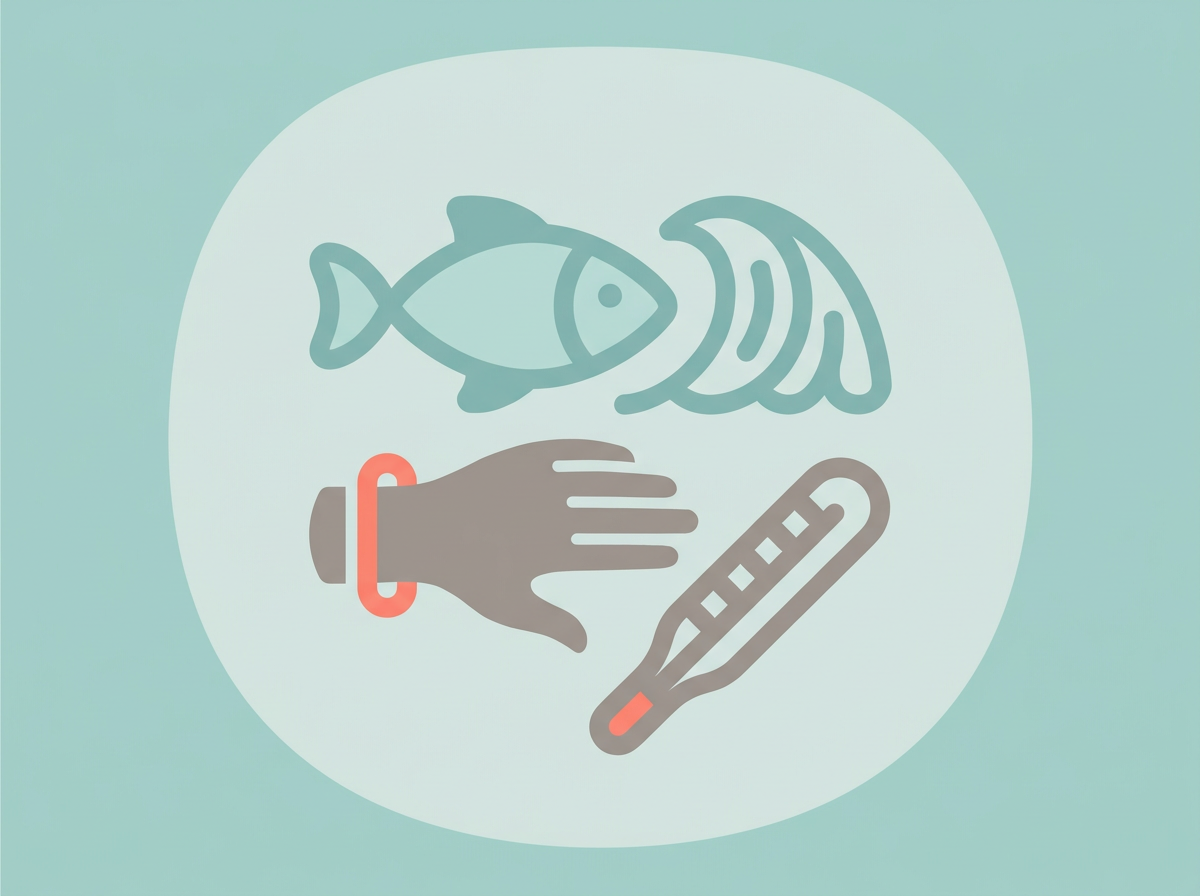
    Vibrio vulnificus symptoms prevention infographic — summer seafood infection warning

    What Is Vibrio vulnificus Septicemia?

    Vibrio vulnificus septicemia is an acute, life-threatening bloodstream infection caused by the bacterium Vibrio vulnificus, a naturally occurring marine pathogen.

    The bacteria live in seawater, mudflats, and shellfish — and multiply rapidly when water temperatures rise above 20°C (68°F), typically between June and October.

    In South Korea, 50 to 100 cases are reported annually, with nearly half resulting in death. The disease is classified as a Class 3 Notifiable Infectious Disease under the Korean Infectious Disease Control and Prevention Act. (Source: Korea Disease Control and Prevention Agency, KDCA)

    About 80% of patients have an underlying chronic condition, such as liver cirrhosis, diabetes, or kidney disease. Healthy adults who get infected typically experience mild gastrointestinal symptoms. The danger lies in those with compromised immune systems.

    Key Point
    Vibrio vulnificus symptoms prevention matters most for high-risk individuals: those with chronic liver disease, diabetes, renal failure, cancer treatment, or heavy alcohol use. If you fall into one of these groups, take extra care this summer.

    What Symptoms Should You Watch For?

    Symptoms typically appear within 24 to 48 hours of exposure — and they come on fast.

    The presentation varies depending on how you were infected: through contaminated food or through a wound exposed to seawater.

    Key Point
    The mortality rate for the foodborne (septicemia) form is approximately 50%. For wound infections, it’s around 25%. (Source: Asan Medical Center, Seoul) Getting to an emergency room within 48 hours of symptom onset can be the difference between life and death.
    Infection Route Main Symptoms Reported Mortality
    Eating raw/undercooked seafood (Septicemia form) High fever, chills, low blood pressure, vomiting, diarrhea, hemorrhagic blisters on the legs ~50%
    Wound contact with seawater (Wound infection form) Redness, swelling, and necrosis around the wound, hemorrhagic blisters, fever ~25%
    Caution
    If skin lesions are spreading rapidly, or if high fever accompanies a sudden drop in blood pressure, go to the emergency room immediately. Delayed treatment can lead to necrotizing fasciitis — a severe tissue infection that may require amputation.

    How Do You Get Infected?

    There are two main ways Vibrio vulnificus enters the body.

    Route 1 — Contaminated seafood: Eating raw or undercooked shellfish (oysters, clams, cockles, crab, or octopus) is the most common cause of the severe septicemia form.

    Route 2 — Wound exposure to seawater: When a cut, scrape, or open sore contacts seawater where Vibrio vulnificus is present, the bacteria can enter through the skin. This route is especially risky during summer beach activities.

    Checklist: Are You in a High-Risk Group?
    ✅ Liver cirrhosis, chronic liver disease, or liver cancer
    ✅ Diabetes, renal failure, or other chronic metabolic conditions
    ✅ Undergoing cancer treatment or taking immunosuppressants
    ✅ Heavy or regular alcohol consumption
    ✅ Open wounds or cuts while planning beach activities

    If any of the above apply to you, discuss raw seafood consumption and seawater exposure with your doctor before summer activities. This is especially important during peak season (July–September).


    Vibrio vulnificus Symptoms Prevention: Steps to Stay Safe

    The good news: Vibrio vulnificus is heat-sensitive. Proper cooking kills the bacteria reliably.

    Korea’s Ministry of Food and Drug Safety recommends heating shellfish to at least 85°C (185°F) for 1 minute or more — and continuing to cook for at least 5 minutes after the shell opens. (Source: Ministry of Food and Drug Safety, Korea)

    Checklist: Vibrio vulnificus Symptoms Prevention Rules
    ✅ Always cook shellfish fully — 85°C or above for at least 1 minute
    ✅ Wash hands with soap for at least 30 seconds after handling raw seafood
    ✅ Use separate cutting boards and knives for raw seafood and cooked food
    ✅ Avoid seawater contact if you have any open cuts or wounds
    ✅ If you’re in a high-risk group, avoid raw shellfish entirely during summer
    ✅ After beach activities, seek medical attention immediately if redness or swelling appears near any wound
    Key Point
    Freezing does not fully eliminate Vibrio vulnificus. Even frozen seafood must be cooked thoroughly before eating.

    In South Korea, Vibrio vulnificus septicemia is covered under the national health insurance system (Korean National Health Insurance, 국민건강보험), a universal public insurance scheme. If you develop symptoms while in Korea, you can receive diagnosis and treatment at any hospital with minimal cost barrier.

    For more information on summer infectious diseases, visit the Korean Medical Information Disease Encyclopedia.


    Frequently Asked Questions

    1. Can Vibrio vulnificus spread from person to person?
    No. Vibrio vulnificus is not contagious between people. Infection only occurs through contaminated seafood consumption or direct wound contact with bacteria-laden seawater.

    2. Can healthy people develop severe illness?
    It’s possible but uncommon. Most healthy adults experience only mild gastrointestinal symptoms. Severe septicemia is primarily seen in those with underlying health conditions. That said, high bacterial exposure or a temporarily weakened immune state can increase risk even in otherwise healthy individuals.

    3. What should I do if I suspect infection?
    If high fever or skin lesions develop within 24–48 hours of eating raw shellfish or exposing a wound to seawater, go to an emergency room immediately. Tell your doctor about any seafood you ate and your recent water activities. Always consult a healthcare provider for personal medical guidance.

    4. Can antibiotics treat the infection?
    When caught early, antibiotic treatment may help improve outcomes. In severe septicemia or necrotizing fasciitis cases, surgical intervention is often required alongside antibiotics. Specific treatment decisions should always be made by a qualified physician.

    5. Is there a safer season for eating raw oysters?
    Vibrio vulnificus levels in shellfish are generally lower when water temperatures are cooler — typically October through March. However, people in high-risk groups are advised to eat only fully cooked shellfish year-round. Discuss dietary guidelines with your doctor or dietitian.


    References

    • (Korea Disease Control and Prevention Agency — KDCA), “Vibrio vulnificus Septicemia (비브리오 패혈증)”, 2024. Link
    • (U.S. Centers for Disease Control and Prevention — CDC), “About Vibrio Infection”, 2024. Link
    • (CDC), “Preventing Vibrio Infection”, 2024. Link
    • (Asan Medical Center, Seoul), “Vibrio vulnificus Septicemia — Disease Information”. Link
    • (PubMed Central / NIH), “Vibrio vulnificus epidemiology and risk factors for mortality in the United States, 2000–2022”, 2025. Link
    This article is for general informational purposes only and is not a substitute for professional medical advice, diagnosis, or treatment. Please consult a qualified healthcare provider if you have health concerns.
  • South Korea COVID Crisis Alert Lifted: 4 Key Changes in 2026

    South Korea COVID Crisis Alert Lifted: 4 Key Changes in 2026

    SummarySouth Korea COVID crisis alert lifted on July 7, 2026, ending 2,378 days of emergency management. What changes for residents, visitors, and high-risk groups.

    On January 3, 2020, South Korea raised its COVID-19 crisis alert to the first level — “Watch.”
    Exactly 2,378 days later, on July 7, 2026, the South Korea COVID crisis alert lifted as the Korea Disease Control and Prevention Agency (KDCA) officially ended that final alert level.
    Six and a half years of emergency infectious disease management came to a close.

    Key Point

    South Korea’s COVID-19 crisis alert was fully lifted on July 7, 2026, ending the emergency management framework that has been in place since early 2020. Mandatory pandemic-era measures are winding down, but the KDCA continues routine surveillance through sentinel monitoring and overseas outbreak tracking. This is not the end of COVID-19 — it’s a transition to endemic, year-round management, similar to seasonal influenza.

    South Korea COVID-19 crisis alert lifted July 2026 key changes

    What is South Korea’s COVID-19 crisis alert system?

    South Korea’s COVID-19 crisis alert is an official four-tier system that sets the level of government infectious disease response.

    The four levels, from lowest to highest, are: Watch → Caution → Alert → Serious.
    The “Watch” level was issued on January 3, 2020 — before the first confirmed domestic case — and quickly escalated to “Serious” as the pandemic spread.
    After years of gradual downgrading, the final “Watch” tier was formally lifted on July 7, 2026.

    Each tier triggers different measures: isolation requirements, mask mandates in medical facilities, and the scope of emergency financial support all shift with the alert level.
    The complete lifting means the entire crisis alert framework has now closed.

    Source: KDCA, Official COVID-19 Crisis Alert Termination Notice (July 7, 2026)


    Why was the South Korea COVID crisis alert lifted in July 2026?

    The KDCA cited three specific reasons for the decision.

    Checklist — Reasons for Lifting the Alert
    ✅ No cluster outbreaks detected; no unusual variants identified
    ✅ Summer 2026 outbreak forecast: less than half of the previous year’s peak
    ✅ No additional domestic or international threat factors found

    At the same time, the Central MERS (Middle East Respiratory Syndrome) Response Team was also disbanded — ending 11 years of operation since South Korea’s first MERS case in May 2015.

    Two of South Korea’s longest-running infectious disease emergency structures ended on the same day.
    Source: Korea JoongAng Daily, “South Korea lifts Covid-19 crisis alert and shuts MERS response team” (2026)


    What changes in daily life after the COVID alert ends?

    The biggest change is the official end of the emergency response framework. The Central Disaster and Safety Countermeasures Headquarters (중대본), dedicated task forces, and crisis-era government structures no longer operate in emergency mode.

    Checklist — What Changes vs. What Continues
    ✅ (Ends) Crisis alert system and emergency task forces
    ✅ (Ends) Central MERS Response Team
    ✅ (Ends) Pandemic-era emergency support measures (phased out)
    ✅ (Continues) Sentinel surveillance of COVID-19 case levels
    ✅ (Continues) Overseas outbreak monitoring
    ✅ (Continues) Hospital reporting system
    ✅ (Continues) Ability to reactivate emergency response if needed

    Note: South Korea’s national health system includes the National Health Insurance Service (NHIS) — the public insurer that covers most residents — and separate silseon insurance (Korean private indemnity health insurance). Coverage for COVID-19-related treatment may change as crisis-era policies phase out. Check with your insurer or a healthcare provider for the latest details.

    Caution

    Specific policies on isolation support, treatment cost subsidies, and insurance coverage may continue to change after the alert ends. For the most current information, contact the KDCA (☎1339) or the National Health Insurance Service (☎1577-1000), and consult a qualified healthcare provider for personal health decisions.


    Does lifting the alert mean COVID-19 is completely over in Korea?

    COVID-19 is not gone — South Korea is moving to endemic management, treating it like a year-round respiratory illness.

    Endemic means a disease circulates in a population at a predictable, manageable level. Think seasonal flu: it never disappears, but healthcare systems manage it through annual vaccines, surveillance, and targeted treatment rather than emergency lockdowns.

    The KDCA will continue monitoring COVID-19 through a sentinel surveillance network — tracking case data from representative clinics and hospitals. If a new variant or cluster emerges, the emergency framework can be reactivated quickly.
    Source: Insight Korea, “COVID-19 Crisis Alert Fully Lifted After 6 Years” (2026)

    Key Point

    High-risk groups — adults 65 and older, people with underlying conditions, and those who are immunocompromised — should continue to follow COVID-19 prevention practices even after the alert ends. Annual vaccination recommendations and basic hygiene habits (handwashing, ventilation) may still reduce your risk.

    For more on using Korean hospitals and clinics, visit our
    Hospital Guide for Korea.


    Frequently Asked Questions

    1. Do I still need to isolate if I test positive for COVID-19 in Korea?
    With the crisis alert fully lifted, there is no longer a legal isolation requirement. However, the KDCA recommends staying home and wearing a mask to avoid spreading the virus to others. If symptoms are severe, visit a clinic or hospital for evaluation.

    2. Will the government still cover COVID-19 treatment costs?
    Emergency-era subsidies for COVID-19 treatment are being phased out. Standard National Health Insurance coverage applies for COVID-related medical visits, but the specific scope and patient co-pay may have changed. Contact the NHIS (☎1577-1000) or your doctor to confirm current coverage.

    3. Should I still get a COVID-19 vaccine in Korea?
    Vaccination recommendations may continue even after the alert ends — especially for high-risk groups. Check the KDCA’s official annual vaccine guidance and consult your doctor to determine whether a booster is right for you.

    References

    • Korea Disease Control and Prevention Agency (KDCA), COVID-19 Crisis Alert Termination Notice, 2026. Link
    • Korea JoongAng Daily, “South Korea lifts Covid-19 crisis alert and shuts MERS response team,” 2026. Link
    • Newsis (뉴시스), “COVID Crisis Alert Lifted After 6.5 Years — MERS Team Also Ends” (코로나 위기경보 6년6개월만에 해제…메르스 대책반도 종료), 2026. Link
    • Korea Policy Briefing, “COVID-19 Confirmed Case Isolation Changed to 5-Day Recommendation” (코로나19 확진자 격리 조치, 5일 권고로 전환). Link
    This article is for general informational purposes only and is not a substitute for professional medical advice, diagnosis, or treatment. Please consult a qualified healthcare provider if you have health concerns.

  • Hepatitis A Vaccine Before Travel: Timing, Cost & 3 Key Facts (2025)

    Hepatitis A Vaccine Before Travel: Timing, Cost & 3 Key Facts (2025)

    SummaryFind out when to get your hepatitis A vaccine before travel, who needs an antibody test first, and what it costs in Korea (about $37–$73 per dose). One dose gives ~95% protection.

    Planning a trip to Southeast Asia, India, or Africa? Passport — check. Flights — booked. But what about your hepatitis A vaccine before travel?

    Hepatitis A spreads through contaminated food and water, and adults often experience far more severe symptoms than children. A bad case can put you in bed for weeks — wrecking the trip you spent months planning.

    Key Point
    Get your first hepatitis A vaccine at least 2 weeks before departure — ideally 4–6 weeks out. One dose may provide about 95% protection. If you’re over 40, consider an antibody test first. In Korea, each dose costs roughly ₩50,000–₩100,000 (about $37–$73 / approx. ¥5,500–¥11,000) at a private clinic.

    A형간염 예방접종 여행 전 준비 안내

    Do I really need a hepatitis A vaccine before traveling?

    Yes — especially if you’re heading to a high-risk region.
    Hepatitis A is an acute viral liver infection caused by the hepatitis A virus (HAV), which spreads through contaminated food, water, and the fecal-oral route.

    The CDC and WHO classify these as high-risk areas: Southeast Asia (Thailand, Vietnam, Indonesia, Philippines), India, the Middle East, Africa, Central and South America, Eastern Europe, and Central Asia. Western Europe, North America, Japan, and Australia are low-risk.

    Adults who contract hepatitis A can experience jaundice, extreme fatigue, nausea, and abdominal pain lasting several weeks. Rare but serious complications include acute liver failure. Vaccination is the most effective way to protect yourself.

    Caution
    High-risk destinations: Southeast Asia, India, Middle East, Africa, Latin America, Eastern Europe, Central Asia
    Low-risk destinations: USA, Canada, Western Europe, Japan, Australia, New Zealand
    Source: CDC Travelers’ Health, 2024

    How many weeks before my trip should I get the hepatitis A vaccine?

    Get vaccinated at least 2 weeks before travel — 4 to 6 weeks ahead is ideal.

    It takes about 2–4 weeks for your immune system to build full protection after the first dose. Even if your trip is just days away, the CDC still recommends getting vaccinated rather than skipping it entirely. Same-day vaccination before a flight still provides meaningful benefit.

    Checklist — Hepatitis A Vaccine Schedule
    ✅ Dose 1: At least 2 weeks before departure (ideally 4–6 weeks)
    ✅ Dose 2: 6–12 months after the first dose
    ✅ Single dose: ~95% protection expected
    ✅ Full 2-dose series: Immunity may last 20+ years
    Source: CDC Yellow Book 2024; KDCA (Korea Disease Control and Prevention Agency)

    In Korea, the most commonly used vaccines are Havrix (GSK) and Avaxim (Sanofi). Both are approved for ages 12 months and older. A combination hepatitis A+B vaccine (Twinrix, GSK) is available for adults 18 and over.


    Do I need an antibody test first? Who should get vaccinated?

    Under 40: skip the antibody test and get vaccinated right away. Over 40: test first, then vaccinate if the result is negative.

    People born before the mid-1980s in Korea grew up when sanitation was less reliable. Many were naturally exposed to HAV as children and may already carry lifelong immunity. An anti-HAV IgG antibody test can confirm this.

    Checklist — Age-based Guidelines
    ✅ Under 40: No antibody test needed — get 2 doses
    ✅ Over 40 (born before ~1986): Get antibody test first → vaccinate if negative
    ✅ Previous HAV infection: Likely immune — confirm with test
    ✅ Children (12 months+): Free under Korea’s National Immunization Program (NIP)
    Source: KDCA

    In Korea, the antibody test costs roughly ₩15,000–₩50,000 ($11–$37) depending on the clinic. Bogenso (보건소 — local public health centers operated by regional governments) often charge less.

    Vaccination is typically listed as non-covered under Korea’s National Health Insurance (건강보험, geongang boheom). If you carry silson insurance (실손보험 — Korean private indemnity health insurance), check your policy for possible reimbursement.

    For more health and supplement guides, visit our Medications & Supplements section.


    How much does the hepatitis A vaccine cost in Korea?

    At a private clinic, each dose runs about ₩50,000–₩100,000 (around $37–$73). The full 2-dose series is roughly ₩100,000–₩200,000.

    Public health centers (bogenso) often charge less. Call ahead — prices and available vaccine brands vary by location.

    Checklist — Cost Summary
    ✅ Private clinic (adults, per dose): ~₩50,000–₩100,000 (~$37–$73)
    ✅ Public health center (bogenso): Lower cost; varies by location
    ✅ Children (12 months+): Free under Korea’s NIP ✨
    ✅ National Health Insurance: Vaccination is typically non-covered (비급여)
    ✅ Antibody test: ~₩15,000–₩50,000 at clinics; bogenso may offer lower rates
    Source: Modoodoc (2026), KDCA

    To find a participating clinic near you, use the KDCA’s National Immunization Program website at nip.kdca.go.kr. You can filter by location and book appointments online at many health centers.

    Key Point
    If cost is a concern, call your nearest bogenso before booking a private clinic. Prices at health centers are often significantly lower, and some run seasonal discount or free vaccination programs.

    Frequently Asked Questions

    1. Can I travel with just one dose of the hepatitis A vaccine?
    Yes. A single dose may provide around 95% protection, which is considered sufficient for most short trips. You can complete the second dose after returning home. A full series is recommended for long-term or repeated travel to high-risk destinations.

    2. I had hepatitis A before. Do I still need the vaccine?
    Natural infection likely provides lifelong immunity. If you’re certain about a past infection, an antibody test can confirm it. If the test is positive, vaccination is unnecessary. Consult a doctor to be sure.

    3. Is the hepatitis A vaccine safe during pregnancy?
    Hepatitis A vaccines are inactivated (not live), so theoretical risk is low. However, pregnant travelers should consult an OB-GYN or infectious disease specialist before getting vaccinated.

    4. My child is under 1 year old. What are the options for travel to a high-risk area?
    The vaccine is approved for children aged 12 months and older. For infants under 12 months, immune globulin (IG) may be considered as a short-term option — discuss this with a pediatrician before departure.


    References

    1. KDCA (Korea Disease Control and Prevention Agency), “Hepatitis A Vaccination Guide (A형간염 예방접종 안내),” 2024. Link
    2. CDC, “Hepatitis A — CDC Yellow Book 2024,” 2024. Link
    3. CDC Travelers’ Health, “Hepatitis A,” 2024. Link
    4. NaTHNaC (UK Travel Health Pro), “Hepatitis A Factsheet,” 2024. Link
    5. Modoodoc, “Hepatitis A Vaccine Price Info (A형간염 예방접종 가격정보),” 2026. Link


    This article is for general informational purposes only and is not a substitute for professional medical advice, diagnosis, or treatment. Please consult a qualified healthcare provider if you have health concerns.

  • Japanese Encephalitis Vaccine for Adults in Korea: 2026 Cost & Doses

    Japanese Encephalitis Vaccine for Adults in Korea: 2026 Cost & Doses

    SummaryThe Japanese encephalitis vaccine costs 40,000–55,000 KRW per dose for adults in Korea (not covered by National Health Insurance). Learn how many doses you need, where to get vaccinated, and what to expect.

    Every summer, South Korea’s Korea Disease Control and Prevention Agency (KDCA) issues a national Japanese encephalitis (JE) alert. In 2025, the first domestic JE patient of the year was reported, and additional adult cases followed. Many adults assume JE vaccination is only for children — but if you never completed the full vaccination schedule, you may still be at risk. There is no treatment for JE, which makes vaccination the only reliable form of protection.

    Key Summary
    The Japanese encephalitis vaccine for adults in Korea costs roughly 40,000–55,000 KRW (about $29–$40 USD) per dose at private clinics, and it is not covered by the National Health Insurance (Korean public health insurance). Adults need 1 dose of the live attenuated vaccine (IMOJEV) or 3 doses of the inactivated vaccine. You can find a vaccination site near you through the KDCA’s National Immunization Program portal.

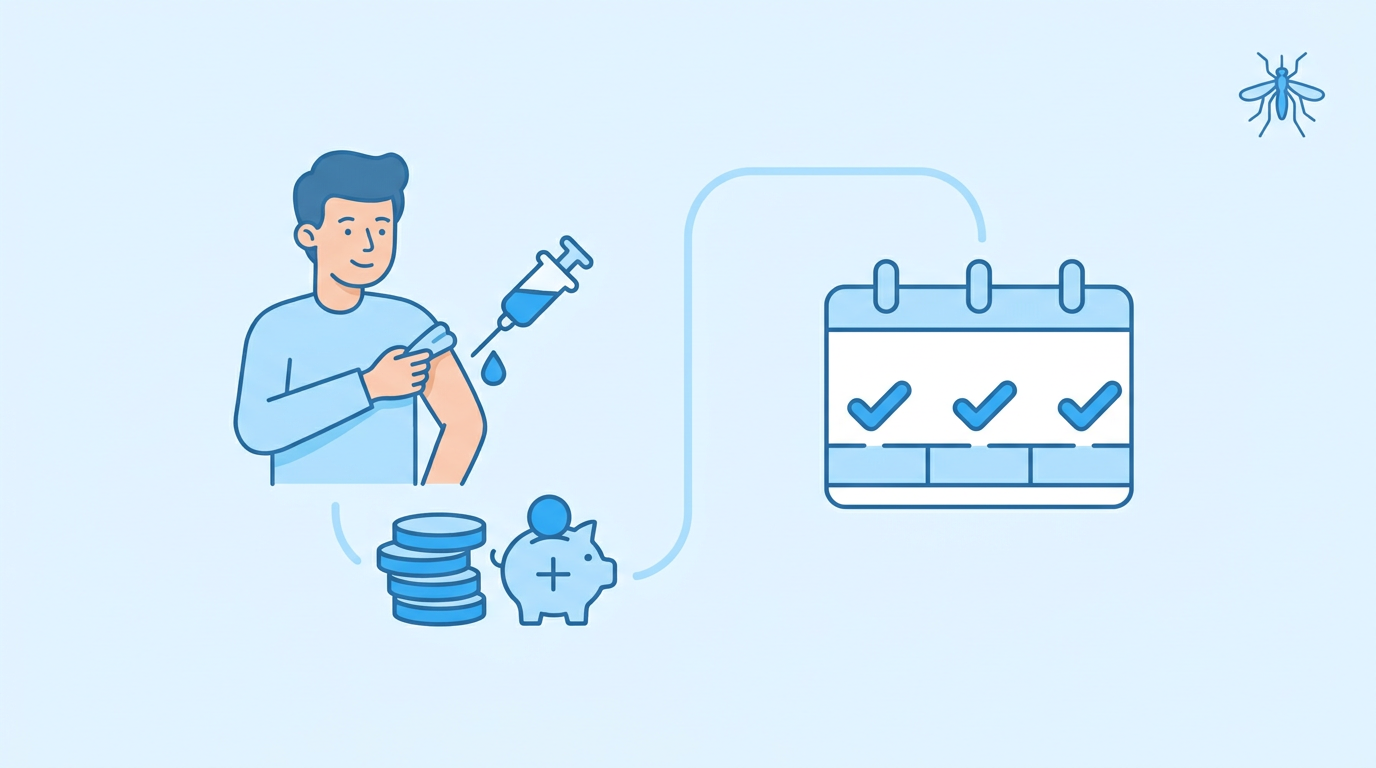
    Japanese encephalitis vaccine for adults in Korea — cost and dose schedule guide

    What is Japanese encephalitis, and why do adults need the vaccine?

    Japanese encephalitis is an acute viral brain infection caused by the Japanese encephalitis virus (JEV), transmitted through the bite of an infected Culex tritaeniorhynchus mosquito.

    Most infected people have no symptoms. When symptoms do appear, they can progress from fever and headache to severe brain inflammation. In cases that develop into full encephalitis, the fatality rate can reach 20–30%, and up to 30–50% of survivors may experience lasting neurological complications, according to the WHO.

    So why does this matter for adults? Many Korean adults born before 1985, and most foreign residents or travelers, did not complete the current vaccination schedule. People who live or work near rice paddies, pig farms, or rural areas face a higher exposure risk — these environments are breeding grounds for the Culex mosquito. The KDCA recommends JE vaccination for adults in these situations, especially if they have no verifiable vaccination history.

    Key Point
    ✔ No antiviral treatment exists for JE — vaccination is the only effective prevention.
    ✔ Mosquito season in Korea: July through October.
    ✔ Highest-risk groups: rural residents, those near pig farms or rice paddies, travelers to JE-endemic countries.
    ✔ Source: KDCA, 2025; WHO Japanese Encephalitis fact sheet.

    How much does the Japanese encephalitis vaccine cost for adults in Korea?

    JE vaccination for adults is not covered by Korea’s National Health Insurance (건강보험, geongang bohum), so you pay out of pocket at private clinics. Prices vary by clinic and vaccine type.

    As of 2026, the live attenuated vaccine IMOJEV costs approximately 40,000–55,000 KRW (about $29–$40 USD / approx. 200–280 CNY / 約4,400–6,000円) per dose at private clinics. The inactivated vaccine runs around 30,000–50,000 KRW per dose. Because adults need 3 doses of the inactivated vaccine, total costs can reach 90,000–150,000 KRW over roughly one year.

    Public health centers (보건소, bogeonso — local government clinics operated by each district) may offer the vaccine at a reduced cost or, in some cases, free of charge, depending on stock availability. Policies differ by location, so call ahead before visiting.

    If you hold a silson insurance policy (실손보험 — Korean private indemnity health insurance that reimburses out-of-pocket medical costs), check with your insurer directly to see whether preventive vaccination is covered under your plan.

    Vaccine Type Example Product Adult Doses Cost per Dose (Clinic)
    Live attenuated (live vaccine) IMOJEV 1 dose ~40,000–55,000 KRW
    Inactivated (killed virus) Verorab, etc. 3 doses ~30,000–50,000 KRW
    Caution
    Prices listed above are estimates and may vary by region and clinic. Use the Health Insurance Review and Assessment Service (HIRA) non-covered services database at hira.or.kr to compare prices at clinics near you before booking.

    Where can adults get the Japanese encephalitis vaccine in Korea?

    You can get vaccinated at local public health centers (보건소) or designated private clinics across Korea. The easiest way to find a nearby location is through the KDCA National Immunization Program (NIP) portal at nip.kdca.go.kr — search by region and select “Japanese encephalitis” to find clinics that carry the vaccine.

    Note that not every clinic carries both vaccine types. If you prefer the live vaccine (IMOJEV) or the inactivated vaccine, call ahead to confirm stock before you visit. Public health centers are generally cheaper, but stock can run out during peak season (July–August).

    Checklist: Finding a JE Vaccination Site
    ✅ Visit nip.kdca.go.kr → search by region → select “Japanese encephalitis”
    ✅ Call ahead to confirm the specific vaccine (IMOJEV or inactivated) is in stock
    ✅ Ask the public health center whether free adult vaccination is available
    ✅ Compare clinic prices on the HIRA non-covered services site (hira.or.kr)
    ✅ Check with your private insurer about reimbursement eligibility

    For more vaccination guides, visit the Korea Medical Information — Medications & Supplements category.


    How many doses of the Japanese encephalitis vaccine do adults need?

    The number of doses depends on which vaccine you choose.

    IMOJEV, the live attenuated vaccine, requires just 1 dose for adults aged 18 and older who have no prior JE vaccination history. This makes it a convenient option for busy adults. The inactivated vaccine, on the other hand, requires 3 doses: the first dose, a second dose 1 month later, and a third dose 11 months after the second. Full primary immunization takes about a year.

    One important rule: do not mix vaccine types. If you start with the live vaccine, finish with the live vaccine. The same applies to the inactivated vaccine. Switching between the two (cross-vaccination) is not recommended, according to both the KDCA and Seoul Asan Medical Center guidelines.

    If you’re planning to travel to a JE-endemic country, start the vaccination series at least 4–6 weeks before departure — or ideally earlier if using the inactivated vaccine.

    Vaccine Type Dose 1 Dose 2 Dose 3
    Live vaccine (IMOJEV) Administer Not required Not required
    Inactivated vaccine Administer 1 month after dose 1 11 months after dose 2
    Key Point
    Do not switch between live and inactivated vaccines mid-series.
    If your prior vaccination history is unclear, consult a doctor or your local public health center before starting.
    Source: KDCA NIP portal; Seoul Asan Medical Center Drug Information FAQ.

    Frequently Asked Questions

    1. Do all adults in Korea need the Japanese encephalitis vaccine?
    No — it’s not mandatory for every adult. The KDCA recommends it for adults who live near rice paddies or pig farms, plan to travel to JE-endemic countries, or have no verifiable vaccination history. Talk to a doctor to determine whether vaccination is right for you.

    2. What side effects should I expect after the JE vaccine?
    The most common reactions are injection-site pain, swelling, and redness. Some people experience mild fever, headache, or fatigue, which typically resolve within 2–3 days. Rare hypersensitivity reactions can occur. It’s recommended to stay at the clinic for 20–30 minutes after vaccination so medical staff can monitor you.

    3. When is the best time of year to get vaccinated against Japanese encephalitis?
    Aim to start vaccination before mosquito season (July–October) — ideally between April and June. If you’re using the 3-dose inactivated vaccine, plan at least a year in advance for full primary immunization.

    4. If I was vaccinated as a child in Korea, do I need a booster as an adult?
    If your childhood vaccination series was complete, you generally may not need additional doses as an adult. However, if your records are incomplete or unavailable, consult a doctor or public health center to assess your coverage.

    5. Can pregnant women receive the Japanese encephalitis vaccine?
    The live attenuated vaccine (IMOJEV) is generally not recommended during pregnancy. If you are pregnant and at high risk of JE exposure, speak with your OB-GYN before making any decision about vaccination.


    References

    1. Korea Disease Control and Prevention Agency (KDCA), “Japanese Encephalitis (JE) Vaccination Guide,” 2025. Link
    2. IMOJEV Official Website, “What is IMOJEV?” (이모젭이란?), 2024. Link
    3. Seoul Asan Medical Center, “Can inactivated and live JE vaccines be given interchangeably?” Drug Information FAQ. Link
    4. Health Insurance Review and Assessment Service (HIRA), “Non-Covered Medical Services Price Information.” Link
    5. World Health Organization (WHO), “Japanese encephalitis vaccines — quality standards and norms.” Link
    This article is for general informational purposes only and is not a substitute for professional medical advice, diagnosis, or treatment. Please consult a qualified healthcare provider if you have health concerns.

  • Pertussis Symptoms in Adults: 3 Stages, Treatment & Prevention 2024

    Pertussis Symptoms in Adults: 3 Stages, Treatment & Prevention 2024

    SummaryLearn to recognize pertussis symptoms in adults across 3 stages, understand treatment options, and discover how Tdap vaccination helps prevent whooping cough.

    In 2024, South Korea reported a 33-fold surge in pertussis cases compared to the same period the year before — and the U.S. recorded over 35,000 confirmed cases with 10 deaths that year.
    (Source: Korean Disease Control and Prevention Agency [KDCA], 2024; CDC, 2024)

    Pertussis symptoms in adults are often so mild they’re mistaken for a lingering cold. Yet adults who don’t know they’re infected are one of the most common sources of transmission to newborns and unvaccinated infants.

    Key Point
    Pertussis symptoms in adults often present as prolonged bronchitis without the classic “whoop.” The illness can last 6–10 weeks. Early antibiotic treatment and a Tdap booster vaccination are the most effective ways to manage and prevent it.

    pertussis symptoms in adults — 3 stages of whooping cough from catarrhal to convalescent

    Can Adults Get Pertussis (Whooping Cough)?

    Yes — adults can get pertussis, and they’re often the main source of infection for unvaccinated infants.

    Pertussis is an acute respiratory infection caused by the bacterium Bordetella pertussis. It’s nicknamed the “100-day cough” because symptoms can persist for weeks or even months.

    While most people associate it with infants, immunity from childhood DTaP vaccination fades over time. Without a booster, adults become susceptible again. A parent, grandparent, or caregiver can unknowingly bring pertussis home — a phenomenon experts call the “cocoon effect.”

    Caution
    Pertussis is extremely contagious. One infected person can spread it to 12–17 unvaccinated individuals. If your cough has lasted more than 2 weeks, see a doctor — don’t wait it out.

    What Are the 3 Stages of Pertussis Symptoms in Adults?

    Pertussis progresses through three clinical stages. In adults, symptoms are typically milder than in infants, and the characteristic “whoop” on inhalation is often absent — making diagnosis tricky.

    Key Point — 3 Stages of Pertussis in Adults

    Stage 1: Catarrhal (1–2 weeks)
    Runny nose, sneezing, low-grade fever, mild cough. Looks exactly like a common cold — but this is when you’re most contagious.

    Stage 2: Paroxysmal (1–6 weeks, up to 10 weeks)
    Violent coughing fits, post-cough vomiting, disrupted sleep. Vaccinated adults often develop a prolonged dry bronchitis without the characteristic “whoop.” Unvaccinated adults are more likely to experience the classic whoop and post-cough vomiting.

    Stage 3: Convalescent (2–3 weeks)
    Coughing gradually eases. Cold air or physical exertion can still trigger fits during this stage.

    The full course of illness in adults typically lasts 6–10 weeks. Potential complications include pneumonia, rib fractures from forceful coughing, and fainting.
    (Source: CDC, Clinical Overview of Pertussis, 2024)

    Checklist — Warning Signs That May Indicate Pertussis
    ✅ Cough lasting more than 2–3 weeks
    ✅ Nausea or vomiting after coughing fits
    ✅ High-pitched “whoop” on inhaling after a coughing fit
    ✅ Face turning red or sweating during coughing fits
    ✅ Cough worse at night
    ✅ Feeling relatively well between coughing episodes

    How Do Adults Catch Pertussis?

    Pertussis spreads through respiratory droplets. When an infected person coughs or sneezes, bacteria are released into the air. Anyone nearby who breathes them in can become infected.

    Close contact in enclosed spaces — homes, offices, classrooms — makes transmission easy. The primary reason adults are at risk is that childhood vaccine immunity wanes over time.

    The CDC and KDCA (Korean Disease Control and Prevention Agency) recommend adults receive a Tdap booster every 10 years. Anyone who will be in close contact with infants under 12 months — parents, grandparents, childcare workers — should get vaccinated at least 2 weeks before that contact.
    (Source: KDCA Vaccination Guide, 2024)

    Caution — High-Risk Groups
    Pregnant women, adults 65+, immunocompromised individuals, and those with chronic respiratory conditions face higher risk of serious complications. Talk to your doctor before getting vaccinated if you fall into one of these categories.

    How Is Pertussis Treated — and Can It Be Prevented?

    Starting treatment early matters. Antibiotics given within the first 1–2 weeks of illness can reduce symptom severity and limit spread to others.

    Preferred antibiotics are azithromycin, clarithromycin, and erythromycin — all macrolides.
    (Source: CDC, Treatment of Pertussis, 2024)

    After 5 days of appropriate antibiotic therapy, you’re no longer contagious. Starting antibiotics later in the illness won’t shorten your symptoms much, but they still help prevent transmission.

    Supportive care — staying well hydrated, using a humidifier, getting plenty of rest — may help ease symptoms. Cough suppressants have limited evidence for pertussis; always consult your doctor or pharmacist before using them.

    Checklist — Pertussis Prevention
    ✅ Get a Tdap booster (every 10 years for adults)
    ✅ Cover coughs with your elbow or a mask
    ✅ Wash hands frequently
    ✅ Confirm vaccination status before close contact with infants
    ✅ See a doctor if your cough lasts more than 2 weeks

    For more information on infectious diseases, visit our disease encyclopedia:

    Korean Medical Information — Disease Encyclopedia

    Note for international readers: Most residents of South Korea are covered by National Health Insurance (NHI), the country’s universal public health insurance system. Many also carry silson insurance (Korean private indemnity health insurance) to cover out-of-pocket costs not reimbursed by NHI.


    Frequently Asked Questions

    Q1. How is pertussis in adults different from a common cold?
    A cold typically resolves within 1–2 weeks. Pertussis is distinguished by coughing fits lasting 2–3 weeks or more, vomiting after coughing, and worsening at night. Feeling relatively normal between coughing episodes is another clue. If your cough has dragged on for weeks, get tested.

    Q2. How long is an adult with pertussis contagious?
    Without treatment, you can spread pertussis for up to 3 weeks after symptoms begin. With appropriate antibiotic therapy, you’re no longer contagious after 5 days of treatment. If there are infants at home, prompt diagnosis and treatment are especially important.

    Q3. Where can adults in South Korea get a Tdap vaccine?
    Tdap is available at public health centers and designated clinics nationwide. Coverage under Korea’s National Health Insurance may be limited for adults, so check costs before your appointment. Pregnant women are advised to receive Tdap between weeks 27 and 36 of pregnancy.

    Q4. Can pertussis cause serious complications in adults?
    While rare compared to infants, adults can develop pneumonia, rib fractures from severe coughing, urinary incontinence, and fainting. Adults with chronic lung disease or weakened immune systems face higher risk. Seek medical attention promptly if symptoms are severe or worsening.


    References

    • Korean Disease Control and Prevention Agency (KDCA), “Pertussis — National Health Information Portal,” 2024. Link
    • KDCA Vaccination Guide, “Pertussis Vaccination Information,” 2024. Link
    • CDC, “Clinical Overview of Pertussis (Whooping Cough),” 2024. Link
    • CDC, “Treatment of Pertussis,” 2024. Link
    • NIH StatPearls, “Pertussis,” 2024. Link
    • GC Labs, “Pertussis: Diagnosis, Treatment and Transmission (백일해 진단과 치료 그리고 감염경로),” 2024. Link

    This article is for general informational purposes only and is not a substitute for professional medical advice, diagnosis, or treatment. Please consult a qualified healthcare provider if you have health concerns.

  • CT Scan vs MRI: 3 Key Differences in Use, Cost, and Insurance

    CT Scan vs MRI: 3 Key Differences in Use, Cost, and Insurance

    SummaryCT scan vs MRI: understand the 3 key differences in how each works, when your doctor orders one, and what South Korea’s NHI and silson insurance pay for each.

    Your doctor just told you to get a scan — but didn’t explain whether it should be a CT or an MRI. Most people leave the clinic without really knowing the difference. And that matters: in a CT scan vs MRI comparison, the two tests work on completely different principles, image different structures, and can vary in cost by hundreds of dollars depending on insurance coverage.

    Key Point — 3 things to know about CT scan vs MRI
    ① CT uses X-rays to quickly image bones, bleeding, and organs — ideal for emergencies.
    ② MRI uses magnetic fields (zero radiation) for precise imaging of soft tissue, nerves, and ligaments.
    ③ In South Korea, national health insurance (NHI) coverage and out-of-pocket costs differ significantly between the two.

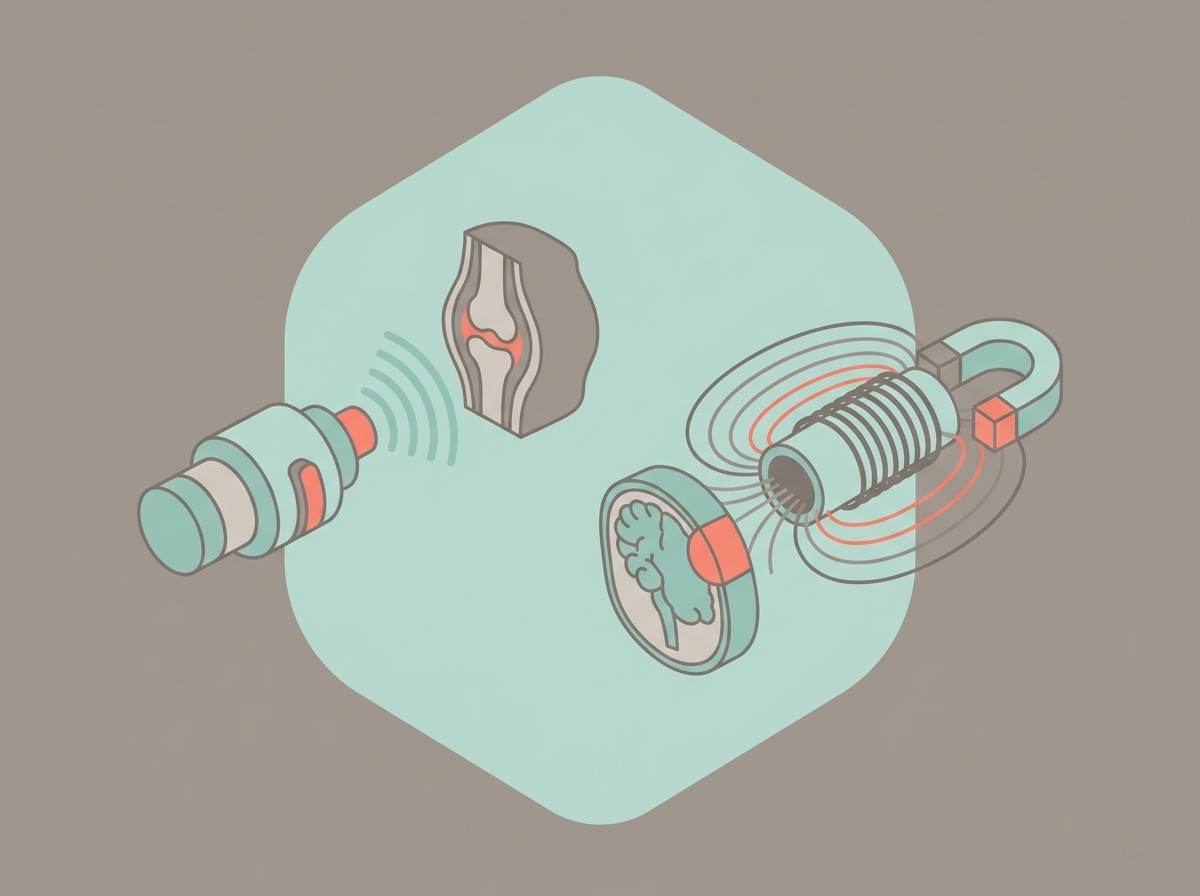
    CT scan vs MRI side-by-side comparison of imaging technology

    CT Scan vs MRI: What Is the Difference?

    A CT scan (Computed Tomography) is a medical imaging test that rotates X-ray beams around your body and uses a computer to reconstruct detailed cross-sectional images.

    An MRI (Magnetic Resonance Imaging) is a scan that uses strong magnetic fields and radio waves — no radiation — to create highly detailed images of the body’s internal structures.

    The most important practical difference is radiation exposure. A CT scan delivers roughly 2–8 mSv depending on the body area scanned — comparable to one to three years of natural background radiation. An MRI involves zero radiation, making it preferable for children, pregnant patients, and anyone needing repeated scans over time.

    Source: RadiologyInfo.org, “Radiation Dose in X-Ray and CT Exams,” 2024

    Feature CT Scan MRI
    Technology X-rays (ionizing radiation) Magnetic fields + radio waves
    Radiation exposure Yes (2–8 mSv) None
    Scan duration 10–20 minutes 20–60 minutes
    Best for Bones, bleeding, organs Soft tissue, nerves, ligaments
    Noise Quiet Very loud (repetitive knocking)
    Relative cost Lower Higher
    Checklist — Before your scan
    ✅ Tell staff about any metal implants: pacemaker, cochlear implant, joint replacement
    ✅ Disclose any allergy to contrast dye (iodine for CT; gadolinium for MRI)
    ✅ Inform your doctor if you are pregnant or may be pregnant
    ✅ Report any kidney problems — required if contrast dye is planned
    Caution
    Certain implanted devices — including pacemakers, cochlear implants, and some metal aneurysm clips — may be contraindicated for MRI. Always inform your healthcare provider before scheduling a scan.

    When is a CT scan the better choice?

    When weighing CT scan vs MRI, CT is usually the first scan ordered in emergency situations — and any time you need a fast, detailed view of bones or suspected bleeding.

    Because CT scans are fast, widely available, and relatively affordable, they’re the default tool in emergency departments worldwide. Here are the most common situations where CT is preferred:

    1. Bone fractures after trauma such as car accidents or falls
    2. Brain bleeding — hemorrhagic stroke, subarachnoid hemorrhage
    3. Lung nodule detection and low-dose lung cancer screening CT
    4. Assessment of abdominal organs: liver, kidney, pancreas
    5. Cancer staging: measuring tumor size and checking for metastases
    Key Point — 3 reasons CT has the edge
    ① Speed: a full-body CT takes under 20 minutes — critical when time is short.
    ② Bone and calcification imaging: CT shows bony detail that MRI can’t match.
    ③ Lung imaging: air-filled structures appear clearly on CT.

    Source: MD Anderson Cancer Center, “CT Scan vs. MRI: What’s the Difference?”


    When is an MRI the better choice?

    In the CT scan vs MRI decision, MRI is the preferred scan whenever your doctor needs a precise look at soft tissue — including spinal discs, ligaments, nerves, and the brain’s white matter.

    MRI’s key advantage is contrast resolution: its ability to distinguish between different types of soft tissue far exceeds CT’s. That’s why it’s the standard of care across neurology, orthopedics, and oncology for these conditions:

    1. Herniated disc (lumbar or cervical) and spinal stenosis
    2. Torn ligaments and cartilage in the knee and shoulder
    3. Early stroke detection using diffusion-weighted imaging (DWI) within 6 hours
    4. Brain tumors, encephalitis, and multiple sclerosis
    5. Prostate cancer, uterine and ovarian conditions
    Key Point — 3 reasons MRI has the edge
    ① Superior soft-tissue contrast — discs, ligaments, and nerves appear clearly.
    ② Zero radiation — safe for repeated imaging and radiation-sensitive patients.
    ③ DWI sequences can detect early stroke lesions that standard CT misses.
    Caution — Claustrophobia
    MRI machines are narrow, tunnel-shaped tubes. If you experience claustrophobia, let your care team know before the appointment. Options include mild sedation or an open MRI scanner with a wider bore.

    How do CT and MRI costs compare — and what does insurance cover in South Korea?

    In a CT scan vs MRI cost comparison for South Korea, whether national health insurance (NHI) applies can change your out-of-pocket cost by a factor of 3 to 5 or more.

    South Korea operates a mandatory National Health Insurance (NHI / 건강보험) system that covers most medically necessary imaging when ordered by a physician. CT scans are covered in most diagnostic cases. MRI coverage has expanded significantly — since March 2025, herniated discs, spinal stenosis, and degenerative knee and shoulder conditions are now insured under NHI.

    Source: Korea Policy Briefing, “Brain MRI Cost Reduction Policy”; Modoodoc MRI Price Guide (2026)

    Body part CT (NHI-covered) MRI (NHI-covered) MRI (non-covered)
    Brain ₩30,000–150,000 (~$22–110) ₩100,000–200,000 (~$73–145) ₩400,000–750,000 (~$290–545)
    Spine ₩50,000–150,000 (~$36–110) ₩150,000–300,000 (~$109–218) ₩300,000–700,000 (~$218–510)
    Abdomen ₩80,000–280,000 (~$58–203) ₩300,000–800,000 (~$218–580)
    Lung ₩70,000–230,000 (~$51–167)

    ※ Costs vary by hospital level (clinic / general / tertiary hospital), M
    Continuing EN version from the cut-off point:

    RI field strength (1.5T / 3.0T), and region. Source: Modoodoc (2026), Banksalad CT and MRI cost guides (2024–2025)

    Key Point — Silson (private supplemental) insurance
    South Korea’s silson insurance (실손보험 — Korean private indemnity health insurance that reimburses out-of-pocket medical costs) covers a portion of non-insured imaging costs. Depending on your policy generation (1st–4th), you pay 10–30% and claim the rest. Confirm coverage details with your insurer before the scan.

    For more guides on medical exams and procedures in South Korea, visit our Exams and Procedures Guide.


    Frequently Asked Questions

    1. Which is more accurate — CT scan vs MRI?
    Neither is universally more accurate. CT is faster and more accurate for bones, fractures, and acute bleeding. MRI is far superior for soft tissue: discs, ligaments, nerves, and brain lesions. Your doctor will order the scan that best matches your symptoms and clinical question. Consult your physician before making any decisions.

    2. Is the radiation from a CT scan dangerous?
    A single CT scan delivers roughly 2–8 mSv — comparable to one to three years of natural background radiation. For most adults, one CT scan poses a very low risk. That said, unnecessary repeated scans are best avoided. If you have concerns, speak with your physician or radiologist before the procedure.

    3. Why does an MRI take so much longer than a CT?
    MRI acquires multiple image sequences by applying magnetic field gradients step by step from different angles. CT, by contrast, captures data in seconds by rotating an X-ray tube rapidly around the body. Depending on the area scanned and the protocol used, an MRI takes 20–60 minutes — sometimes longer if contrast is administered.

    4. Can I claim non-covered MRI costs under private insurance in South Korea?
    In most cases, yes. If you hold silson insurance (private indemnity health insurance), non-covered MRI costs are generally claimable. Your co-payment (10–30%) depends on your policy generation. Always confirm coverage with your insurer and keep your medical receipts and diagnostic documentation for the claim.

    References

    • RadiologyInfo.org (Radiological Society of North America), “Radiation Dose in X-Ray and CT Exams,” 2024. Link
    • Mayo Clinic, “What’s the difference between a brain CT scan and a brain MRI?,” 2024. Link
    • MD Anderson Cancer Center, “CT Scan vs. MRI: What’s the Difference?,” 2024. Link
    • Healthline, “CT Scans vs. MRIs: Differences, Benefits, and Risks,” 2024. Link
    • Modoodoc, “MRI Price Guide (2026).” Link
    • Korea Policy Briefing (대한민국 정책브리핑), “Brain and cerebrovascular MRI cost reduction.” Link
    This article is for general informational purposes only and is not a substitute for professional medical advice, diagnosis, or treatment. Please consult a qualified healthcare provider if you have health concerns.
  • Fasting Before Blood Test: 5 Rules and How Long to Fast

    Fasting Before Blood Test: 5 Rules and How Long to Fast

    SummaryFasting before blood test typically means 8–12 hours without food. Learn which tests require fasting, what you can drink, and what to avoid before your draw.

    You’ve been told to fast before a blood test — but no one explained exactly what fasting before blood test really means.
    How many hours? Can you drink water? Does every blood test require fasting?

    The answers depend on which tests your doctor ordered. Most fasting blood tests require 8 to 12 hours without food, but plain water is generally fine. Knowing the rules ahead of time helps you get accurate results and avoid a wasted trip to the lab.

    Key Point — 3 Things to Know About Fasting Before Blood Test
    ① Most fasting blood tests require 8 to 12 hours without food — cholesterol panels may need 12 or more.
    Plain water is generally allowed during the fast — it even helps the draw go smoother.
    ③ Not all blood tests require fasting — CBC, thyroid hormones, and HbA1c do not require an empty stomach.

    fasting before blood test preparation guide

    Fasting Before Blood Test: How Long Should You Fast?

    Fasting before blood test means avoiding all food and drinks (except water) so that nutrients in your blood reflect your baseline levels, not a recent meal.

    After you eat, blood glucose and triglycerides spike quickly. Some liver enzymes shift too. It takes at least 8 hours for these levels to return to baseline — sometimes longer for fats.

    That’s why the standard recommendation is 8 to 12 hours of fasting. For lipid panels (cholesterol and triglycerides), 12 hours is often preferred.

    The simplest approach: eat dinner normally, stop eating around 9–10 PM, and get your blood drawn the following morning.

    Source: MedlinePlus, U.S. National Library of Medicine, “Fasting for a Blood Test”

    Checklist — How to Prepare for a Fasting Blood Test
    ✅ Stop eating by 9–10 PM the evening before
    ✅ Morning blood draw = 10–12 hours of fasting naturally achieved
    ✅ Avoid heavy meals or alcohol the night before
    ✅ Don’t fast longer than 16 hours
    ✅ Always follow your clinic’s specific instructions

    Can You Drink Water While Fasting for a Blood Test?

    Yes — plain water is generally allowed and even encouraged during a fasting period before blood work.

    MedlinePlus (NIH) states clearly: “You can drink water, but avoid juice, tea, or coffee.” Staying hydrated keeps your veins fuller, which makes drawing blood easier and reduces discomfort.

    Some Korean clinics and health screening centers may advise against any liquids at all. Check your specific clinic’s instructions before your appointment.

    Key Point — What You Can and Can’t Have During the Fast
    Allowed: Plain water (up to about 200 mL / 7 oz for adults)
    Check first: Unsweetened green tea or barley tea (no milk, no sugar)
    Avoid: Coffee (even black), juice, soda, sports drinks, milk
    Avoid: Chewing gum, smoking, vigorous exercise
    Caution
    If you take daily medications — such as blood pressure or diabetes drugs — you can usually take them with a small sip of water during the fast. Confirm this with your prescribing doctor or the testing clinic in advance.

    Which Blood Tests Require Fasting?

    Fasting is only required for tests that measure nutrients directly affected by what you eat. Many common blood tests don’t need it at all.

    Use the table below as a guide — your doctor’s instructions always take priority.

    Fasting Required (8–12+ hours) No Fasting Required
    Fasting blood glucose Complete blood count (CBC)
    Lipid panel (cholesterol + triglycerides) Thyroid hormones (TSH, T3, T4)
    Liver function tests (ALT, AST, GGT) HbA1c (glycated hemoglobin)
    Kidney function panel Vitamin D and B12
    Basic metabolic panel (BMP) Tumor markers, antibody tests

    Source: Cleveland Clinic, “What Are the Rules for Fasting for Blood Work?”; WebMD, “Blood Tests: Fast Facts on Fasting”


    What Should You Avoid Before a Fasting Blood Test?

    Getting the fast right isn’t the only thing that matters. A few extra habits can throw off your results even when you’ve timed the fast correctly.

    In Korea, fasting blood draws are a standard part of the 건강검진 (geongang geomjin) — the national health checkup program covered by the Korean National Health Insurance Service (NHIS). If you’re visiting Korea for a health checkup, these rules apply to your screening as well.

    Checklist — Day-of Blood Draw Rules
    ✅ No alcohol the night before (raises blood glucose and liver enzymes)
    ✅ Avoid intense exercise the day before (can elevate muscle enzymes)
    ✅ No smoking for at least 1 hour before the draw
    ✅ Check with your doctor about whether to take medications
    ✅ Arrive on time — don’t let fasting stretch past 16 hours
    Caution
    Fasting longer than 16 hours can cause blood glucose to drop abnormally low, which may skew results. Bring a small snack to eat immediately after your draw.

    Find preparation guides for other tests and procedures in our Exams & Procedures Guide.


    Frequently Asked Questions

    1. Can I have black coffee before a fasting blood test?
    No. Even black coffee can affect blood glucose, triglyceride levels, and stress hormone secretion. Stick to plain water during your fast.

    2. Do I need to fast for both a fasting glucose test and an HbA1c?
    A fasting glucose test requires at least 8 hours without food. HbA1c reflects your average blood sugar over the past 2–3 months and does not require fasting. Follow your doctor’s specific instructions.

    3. I had a late-night snack — will my results be inaccurate?
    If you’re being tested for blood glucose, cholesterol, or triglycerides, eating before the test can affect the numbers. Let your healthcare provider know before the draw so they can interpret results accordingly.

    4. Do children or people with low blood sugar need to fast for the same amount of time?
    Not necessarily. Young children and people at risk for hypoglycemia may need a shorter fasting window. A doctor should determine the appropriate fasting period on an individual basis.

    References

    (MedlinePlus, U.S. National Library of Medicine), “Fasting for a Blood Test,” 2023.
    Link

    (Cleveland Clinic), “What Are the Rules for Fasting for Blood Work?,” 2023.
    Link

    (WebMD), “Blood Tests: Fast Facts on Fasting,” 2024.
    Link

    (Korea Disease Control and Prevention Agency — National Health Information Portal), “Clinical Chemistry Tests” [임상 화학 검사], 2023.
    Link

    This article is for general informational purposes only and is not a substitute for professional medical advice, diagnosis, or treatment. Please consult a qualified healthcare provider if you have health concerns.
  • Gastroscopy Diet Before: Food, Fasting & Coffee Guide

    Gastroscopy Diet Before: Food, Fasting & Coffee Guide

    SummaryWhat can you eat before a gastroscopy? Learn the right foods, fasting times, and whether coffee is allowed the day before your upper endoscopy.

    You’ve scheduled a gastroscopy — now what can you actually eat the night before? The answer matters more than you might think. Show up with undigested food in your stomach and your doctor may have to cancel the whole procedure. Here’s exactly what to eat, what to skip, and whether that morning coffee is okay.

    Key Point — Gastroscopy Diet Before: Quick Summary
    Eat a light, easily digestible meal (plain congee or white rice) before 8 PM the evening before. Skip coffee — it stimulates stomach acid. Fast for at least 8 hours before the procedure, and check with your clinic on exactly when to stop drinking water.

    위내시경 전날 음식

    What Should You Eat the Evening Before a Gastroscopy?

    Keep it simple: eat a light, low-fat meal before 8 PM.

    A gastroscopy (위내시경 in Korean) is a procedure where a thin, flexible camera is passed through the mouth to examine the esophagus, stomach, and upper small intestine. Any food residue in your stomach makes that exam harder — and may mean rescheduling.

    Choose foods that digest quickly and leave little residue.

    Key Point — Foods You Can Eat the Night Before
    ✔ Plain white rice congee or porridge
    ✔ White rice with clear broth or steamed egg
    ✔ Plain udon noodles (no toppings)
    ✔ Lightly salted boiled egg
    Checklist — Foods to Avoid the Night Before
    ✅ Seeds and multigrain foods (sesame, corn, mixed-grain rice)
    ✅ Meat, fish, and seafood (slow to digest)
    ✅ Dairy (milk, yogurt, cheese)
    ✅ Fried or greasy foods
    ✅ Seaweed (a common part of Korean diets — avoid it)
    ✅ High-seed fruits (strawberries, kiwi, grapes)
    ✅ Alcohol and carbonated drinks

    Seeds and grains can stick to the camera lens and block the doctor’s view. Fatty foods take far longer to leave your stomach — the main reason procedures get cancelled and rescheduled.

    Source: KMI Korea Medical Institute, “Pre-Health Screening Precautions (건강검진 전 유의사항),” 2024


    Can You Drink Coffee the Day Before a Gastroscopy?

    Short answer: skip the coffee from the evening before your exam. Most Korean clinics recommend cutting it out entirely from the night before.

    Caffeine stimulates gastric acid production. Coffee’s natural pigments can also coat the stomach lining, making observation harder for the doctor.

    Caution — Coffee Before Your Gastroscopy
    • Black coffee is best avoided from the evening before.
    • Coffee with milk or cream adds dairy on top of the caffeine issue.
    • On the day of the procedure: no coffee, juice, or milk — clear water only (within the allowed window).
    • Note: some Western institutions (including Cleveland Clinic) classify black coffee as a “clear liquid” and allow it up to 2 hours before. Korean hospitals generally take a stricter approach — always follow your own clinic’s written instructions.

    If you’re unsure, call your clinic the day before. A quick call beats getting turned away at the door.

    Source: Cleveland Clinic, “EGD Procedure (Upper Endoscopy): What It Is & What To Expect,” 2023


    How Long Should You Fast Before a Gastroscopy?

    Fast from solid food for at least 8 hours before your procedure. For most morning appointments, that means finishing dinner by 8 PM the night before.

    For water: many Korean hospitals allow a small amount (100–200 ml) up to 2–4 hours before. After that cutoff, nothing — not even water. Always verify the exact time with your clinic.

    Checklist — Sample Fasting Timeline for a 10 AM Appointment
    ✅ By 8 PM (night before): Finish your light meal
    ✅ After 8 PM (night before): No food
    ✅ 6–8 AM (morning of): A small sip of water is usually okay
    ✅ 2–4 hours before: Stop drinking entirely
    ✅ All day: No smoking, gum, or candy

    An empty stomach isn’t just about accuracy — it’s a safety issue. Food present during the procedure creates a risk of aspiration (inhaling stomach contents), which can cause serious lung complications.

    If you take regular medications, tell your clinic before your appointment. Blood pressure medications are typically fine with a small sip of water. Diabetes medications — including insulin — may need to be paused during fasting; your doctor will advise you.


    What to Avoid on the Morning of Your Gastroscopy

    The most common morning-of mistakes? One sip of coffee, one cigarette, one breath mint. Each can alter your stomach’s condition before the exam and affect clarity of results.

    Caution — Absolute No-List on Exam Day
    🚫 All food and drinks (except water within the allowed window)
    🚫 Coffee, juice, milk, and carbonated drinks
    🚫 Smoking (at least 2–3 hours before the procedure)
    🚫 Gum, candy, and mouthwash
    🚫 Driving after sedated (“twilight”) gastroscopy

    Sedated gastroscopy — called 수면내시경 (su-myeon nae-si-gyeong, lit. “sleep endoscopy”) in Korean — is extremely common in Korea. Most patients choose it for comfort. If you opt for sedation, plan for a 1–2 hour recovery at the clinic and arrange a ride home; driving the same day is prohibited.

    For international visitors: Korea’s National Health Insurance (건강보험, geongang boheom — the country’s universal public health insurance) covers gastroscopy for eligible residents. Short-term visitors and medical tourists typically pay out of pocket, but fees are often significantly lower than comparable procedures in Western countries. Confirm current pricing directly with your hospital.

    Browse more Exams & Procedures guides


    Frequently Asked Questions

    1. Can I drink milk or soy milk the evening before?
      No. Dairy and soy milk can curdle in your stomach and leave residue that blocks the camera’s view. Avoid them from the evening before your exam.

    2. Until what time can I drink water on exam day?
      Most Korean clinics allow a small amount of plain water (100–200 ml) up to 2–4 hours before. Always follow your specific clinic’s written guidance — some are stricter.

    3. Can I smoke the day before my gastroscopy?
      Smoking increases gastric acid and can trigger nausea. It’s best to stop from the evening before. On exam day, avoid smoking at least 2 hours before the procedure.

    4. I take blood pressure or diabetes medication — what should I do?
      Blood pressure meds can usually be taken with a tiny sip of water. Diabetes medications — especially insulin — may need adjustment due to fasting. Always inform your clinic in advance and follow their instructions.


    References

    • KMI Korea Medical Institute, “Pre-Health Screening Precautions (건강검진 전 유의사항),” 2024. Link
    • Cleveland Clinic, “EGD Procedure (Upper Endoscopy): What It Is & What To Expect,” 2023. Link
    • Beijing Ditan Hospital (首都医科大学附属北京地坛医院), “Precautions Before Gastroscopy (胃肠镜检查前注意事项).” Link
    • Ueno Gastroenterology Endoscopy Clinic (上野消化器内視鏡クリニック), “What to Eat and Drink Before a Gastroscopy (胃カメラ前日の食べ物や飲み物は何が良い?).” Link

    This article is for general informational purposes only and is not a substitute for professional medical advice, diagnosis, or treatment. Please consult a qualified healthcare provider if you have health concerns.