Author: medimaster

  • When to Get a Tetanus Shot: 2 Simple Rules by Wound Type

    When to Get a Tetanus Shot: 2 Simple Rules by Wound Type

    SummaryNot sure when to get a tetanus shot? Learn the 5-year and 10-year rules by wound type, the adult booster schedule, and early tetanus symptoms to watch for.

    You step on a rusty nail or slice your hand while cooking, and one question hits first: “Do I need a tetanus shot?”

    It’s tempting to assume childhood vaccinations still have you covered, but knowing when to get a tetanus shot depends on how the wound happened and when you last got a shot. A wound contaminated with soil, rust, or animal waste changes the math entirely.

    This guide breaks down tetanus shot timing by wound type and your last vaccination date, then covers the adult booster schedule and early warning symptoms.

    Short answer: clean, minor wounds follow a 10-year rule, while dirty or deep wounds follow a 5-year rule.
    파상풍 주사 맞는 시기를 상처 오염도와 마지막 접종일 기준으로 정리했습니다. 깨끗한 상처 10년, 오염된 상처 5년 기준과 성인 예방접종 주기, 초기 증상까지 확인하세요.

    When to Get a Tetanus Shot?

    If it’s been more than 10 years since your last shot for a clean, minor wound — or more than 5 years for a dirty or deep wound — it’s time for a booster.

    Tetanus is an acute infection caused by a nerve toxin from the bacterium Clostridium tetani, leading to painful muscle stiffness and spasms. The bacteria’s spores enter through a break in the skin — tetanus doesn’t spread person to person.

    Even if you completed the full childhood series, antibody levels fade over time. That’s why the first question after any injury should be: when was your last dose?

    Key Point
    Clean, minor wound: no booster needed if under 10 years since last dose
    Dirty or deep wound: no booster needed if under 5 years since last dose
    Source: U.S. CDC, Clinical Guidance for Wound Management to Prevent Tetanus (2025)

    Planning an unrelated exam or procedure? Browse our related guides. Exams & Procedures Guide (Internal link: replace with a related post after publishing)


    How Do You Know If a Wound Puts You at Risk for Tetanus?

    A wound counts as contaminated if it’s touched by dirt, rust, saliva, or animal feces, or if it’s deep with significant tissue damage.

    By contrast, a shallow paper cut or minor scrape falls under “clean, minor wound,” which gets the longer 10-year window.

    Wound Type Examples Booster Rule
    Clean, minor wound Paper cut, shallow scrape 10 years since last dose
    Contaminated or deep wound Rusty nail puncture, animal bite, soil-contaminated cut 5 years since last dose
    Checklist (Self-Check for Contaminated Wounds)
    ✅ Touched by dirt, rust, dust, or animal waste
    ✅ Deep puncture from a nail, thorn, or similar object
    ✅ Caused by an animal bite or scratch
    ✅ Surrounding tissue is badly damaged
    If any apply, treat it as a contaminated wound and use the 5-year rule.

    If your vaccination history is unclear or you’ve had fewer than three documented doses, a contaminated wound may also call for tetanus immune globulin (TIG) in addition to the vaccine. Let a clinician make that call.


    What’s the Tetanus Booster Schedule for Adults?

    Even without a fresh wound, adults should get a Td or Tdap booster every 10 years as routine protection.

    Td protects against tetanus and diphtheria; Tdap adds pertussis (whooping cough) protection. If you’ve never had a Tdap dose as an adult, one of your 10-year boosters should be Tdap.

    Pregnancy changes the schedule: a Tdap dose is recommended during every pregnancy, ideally between weeks 27 and 36, so antibodies pass to the newborn before birth.

    In Korea, a catch-up tetanus shot given at a hospital or emergency room after an injury is usually covered by the National Health Insurance (NHI, Korea’s public health insurance system that most residents and long-term visa holders are enrolled in), though your out-of-pocket cost can vary by clinic and visit type.

    1. Infancy: primary DTaP series at 2, 4, and 6 months, plus later boosters
    2. Ages 11–12: adolescent booster (Tdap recommended)
    3. Adults: Td or Tdap every 10 years
    4. Pregnancy: one Tdap dose during weeks 27–36 of every pregnancy
    Key Point
    Routine adult schedule: every 10 years
    At least one lifetime dose should be Tdap
    Pregnant patients: one Tdap dose per pregnancy, weeks 27–36
    Source: U.S. CDC; World Health Organization (WHO)

    What Are the Early Symptoms of Tetanus?

    The earliest sign is usually lockjaw — stiffness in the jaw muscles — which can progress to neck stiffness and difficulty swallowing.

    The incubation period typically runs 3 to 21 days, averaging around 10 days, though symptoms can appear as early as a day or as late as several months after exposure.

    As the infection progresses, abdominal muscles can stiffen, and fever, sweating, blood pressure changes, and a fast heart rate may follow. Muscle spasms can even be triggered by loud noise or bright light, which makes the condition dangerous.

    Caution
    If you notice jaw stiffness, trouble swallowing, or muscle spasms, go to an emergency room right away. Untreated tetanus can become life-threatening.

    Frequently Asked Questions

    1. It’s been 5 years since my last tetanus shot and I just got hurt. Do I need another one?
    If the wound is clean and minor, the 10-year rule applies, so you may not need a booster yet. But if it’s contaminated or deep, the 5-year rule kicks in and you likely need one now. Show the wound to a doctor and let them decide — this is exactly the kind of case where knowing when to get a tetanus shot matters most.

    2. Are wound cleaning and the tetanus shot two separate things?
    Yes. Cleaning and disinfecting the wound comes first, and the tetanus shot is a separate injection given into the muscle. For deep or heavily contaminated wounds, hospitals often handle both during the same visit.

    3. Can you get a tetanus shot while pregnant?
    Yes — it’s actually recommended. A Tdap dose between weeks 27 and 36 of every pregnancy helps pass protective antibodies to your newborn, including protection against whooping cough. Talk to your OB-GYN about timing.

    4. Are there side effects from a tetanus shot?
    Mild reactions like redness, swelling, or soreness at the injection site are common. Low-grade fever or fatigue can occur occasionally. Contact a healthcare provider right away if you develop a high fever or a whole-body reaction.


    References

    Korea Disease Control and Prevention Agency (KDCA), “Tetanus” (파상풍), Vaccination Guide, 2026. Link
    U.S. CDC, “Clinical Guidance for Wound Management to Prevent Tetanus,” 2025. Link
    U.S. CDC, “Tetanus Vaccine Recommendations,” 2025. Link
    World Health Organization (WHO), “Tetanus,” Fact sheet, 2025. Link

    This article is for general informational purposes only and is not a substitute for professional medical advice, diagnosis, or treatment. Please consult a qualified healthcare provider if you have health concerns.


  • COVID Resurgence Southeast Asia Travel: 3 Checks Before You Go (2026)

    COVID Resurgence Southeast Asia Travel: 3 Checks Before You Go (2026)

    SummaryPlanning COVID resurgence Southeast Asia travel in 2026? Learn about the NB.1.8.1 variant’s real risk and how to handle fever after your trip before you depart.

    If you’re planning a trip to Southeast Asia, you’ll want to check the latest case numbers first.
    In Singapore, weekly COVID-19 cases jumped nearly 60% in mid-May 2026, and average daily hospitalizations rose from 56 to 73 patients.

    Driving this wave is a new variant called NB.1.8.1, a descendant of JN.1. It’s spreading through popular destinations like Thailand, Vietnam, and Singapore. If COVID resurgence Southeast Asia travel is on your radar, here’s what actually matters.

    This article covers why cases are rising, how risky NB.1.8.1 really is, what to do about fever after travel, and how quarantine checks work when you land back home.
    Let’s start with why this wave is happening now.

    코로나19 재유행 동남아 여행을 계획 중이라면 확산 원인과 NB.1.8.1 변이 위험도, 여행 후 발열 대처법까지 확인하세요. 출국 전 예방 수칙도 함께 정리했습니다.

    COVID Resurgence Southeast Asia Travel: Why Is It Happening Right Now?

    Crowded indoor spaces during hot summer months, combined with a newly spreading variant, are pushing case numbers up.

    NB.1.8.1 is an Omicron sublineage descended from JN.1. The World Health Organization classifies it as a Variant Under Monitoring (VUM) and continues tracking it closely.

    Case growth has been most visible in travel hubs with heavy cross-border movement, including Singapore, Thailand, Hong Kong, and India. Source: Medical Daily, 2026.

    Key Point
    This isn’t just about a new variant — crowded indoor gatherings and rebounding travel volume are combining to drive the current wave.

    How risky is the NB.1.8.1 variant behind this wave?

    WHO rates the global risk from NB.1.8.1 as low. There’s no evidence yet that it causes more severe illness or spreads faster than other recent Omicron variants.

    Currently approved vaccines are expected to still work against it. Source: WHO, 2025.

    Category Details
    WHO classification Variant Under Monitoring (VUM)
    Risk assessment Low, globally
    Vaccine effectiveness Expected to remain effective
    Common symptoms Sore throat, dry cough, fatigue, fever and chills
    Key Point
    NB.1.8.1 spreads quickly, but it isn’t showing signs of being more dangerous. Basic precautions in crowded travel settings still matter.

    What should you do if you develop a fever after traveling?

    Rest, stay hydrated, and monitor your symptoms first.

    CDC travel medicine guidance recommends always telling your doctor your travel history if you develop a fever during or after a trip — it’s key to getting an accurate diagnosis. Source: CDC Yellow Book, 2024.

    If you visited a malaria-risk area, any fever within a year of returning needs prompt medical attention, ideally the same day.

    Checklist · If you have a fever after travel
    ✅ Check for accompanying sore throat, cough, or chills
    ✅ Above 102°F (38.9°C)? Consider fever medicine — check with a pharmacist first if you have other conditions or take medications
    ✅ Fever lasting more than 5 days, trouble breathing, severe headache, or confusion? See a doctor right away
    ✅ Free respiratory illness testing is available at national quarantine stations at major airports and ports
    Caution
    If you visited a malaria-risk area (including rural and jungle regions of Southeast Asia) and develop a fever, don’t assume it’s a common cold — see a doctor promptly and mention your travel history.

    What precautions help prevent COVID-19 before and after a Southeast Asia trip?

    Basic habits go a long way here.

    As of this writing, there’s no official travel restriction tied to this COVID resurgence Southeast Asia travel wave. Still, check the latest updates from your government’s travel advisory site before you go, since conditions can change.

    Checklist · Before and after your trip
    ✅ Confirm your COVID-19 vaccination status before departure
    ✅ Pack a mask and hand sanitizer, and consider wearing a mask in crowded indoor spaces
    ✅ Limit time in poorly ventilated indoor venues
    ✅ Monitor for fever or cough for 1-2 weeks after returning home
    ✅ If symptoms appear, consider isolating and consult a healthcare provider

    For more infectious disease information, visit our Disease Encyclopedia category. (Internal link: recommend replacing after a related post is published)


    Frequently Asked Questions

    1. How soon after travel does a fever suggest COVID-19?
    COVID-19’s incubation period is typically 2-14 days, so a fever within two weeks of returning is worth testing for COVID-19 first. But other illnesses, like malaria, are also possible, so always tell your doctor where and how long you traveled.

    2. Can I get a free test at the airport quarantine station when I return?
    Yes, if you’re arriving in Korea. Free respiratory illness testing is available at 13 national quarantine stations at airports and ports nationwide if you have respiratory symptoms on arrival. Source: KDCA, 2026.

    3. Is it still okay to travel to Southeast Asia during this wave?
    As of this writing, there’s no official travel ban or restriction. That said, cases are rising as part of this COVID resurgence Southeast Asia travel wave, so pack basics like masks and hand sanitizer, and check for updated advisories before departure.

    4. What fever medicine should I pack for the trip?
    Acetaminophen or ibuprofen are commonly used for home fever management. If you’re pregnant, have an existing condition, or take other medications, check with a doctor or pharmacist before you pack them.

    References

    World Health Organization (WHO), “Risk evaluation for SARS-CoV-2 Variant Under Monitoring: NB.1.8.1,” 2025. Link
    U.S. Centers for Disease Control and Prevention (CDC), “Fever in the Returned Traveler,” CDC Yellow Book, 2024. Link
    Mayo Clinic, “Fever: First aid.” Link
    Korea Disease Control and Prevention Agency (KDCA), “Free Testing for Fever and Cough After Overseas Travel” (해외여행 후 발열·기침 있으면 무료검사 받으세요), 2026. Link
    Medical Daily, “Singapore COVID-19 Wave Driven by NB.1.8.1 Variant,” 2026. Link

    This article is for general informational purposes only and is not a substitute for professional medical advice, diagnosis, or treatment. Please consult a qualified healthcare provider if you have health concerns.

  • How to Check Drug Recalls in Korea: 3 Steps via Nedrug

    How to Check Drug Recalls in Korea: 3 Steps via Nedrug

    SummaryLearn how to check drug recalls in Korea in 3 steps using the MFDS Nedrug portal, plus what to do if your medication was recalled.

    Imagine finding out from the news that the blood pressure medication you’ve been taking for months was just recalled — and only then wondering if your specific bottle is affected.

    Every year, Korea’s Ministry of Food and Drug Safety (MFDS) pulls certain drug batches from the market after safety or quality problems turn up. The tricky part is that most people don’t know where to check whether their own medication is on that list.

    This guide walks you through how to check drug recalls in Korea step by step, using the government’s official Nedrug portal, plus what to do if your medicine turns out to be recalled.

    You’ll learn how to search recall notices on Nedrug (의약품안전나라), how Korea’s pharmacy-level blocking system already screens out recalled drugs at checkout, and exactly what to do if a medication you’ve already taken shows up on the recall list.

    의약품안전나라에서 의약품 리콜 조회 방법을 3단계로 정리했습니다. 복용 중인 약의 회수·판매중지 여부를 확인하는 절차와 리콜약 발견 시 대처법까지 한 번에 안내합니다.

    What exactly is a drug recall in Korea?

    In short, a drug recall in Korea is an official order from the MFDS to stop selling a medication and pull already-distributed units from pharmacies and wholesalers because of a safety or quality problem.

    A drug recall is the process by which a manufacturer or the MFDS withdraws a medication from the market after a safety or effectiveness problem is confirmed.

    Recalls happen for reasons like incorrect ingredient levels, contamination, mislabeling, or foreign particles.

    One well-known case: in 2018, an impurity called NDMA — flagged as a possible carcinogen — was found in valsartan, a common blood pressure drug ingredient, leading to a large-scale suspension and recall of related products in Korea.
    (Source: Korea Development Institute policy brief; MFDS announcement)

    Risk Class Meaning
    Class 1 Could cause serious harm, including death, if taken
    Class 2 Could cause temporary or medically reversible harm
    Class 3 Low likelihood of harm, but involves labeling or similar violations
    Key Point
    Recalls are sorted into three risk classes. A lower class doesn’t mean you can skip checking — always verify your specific product.

    How to Check Drug Recalls in Korea on the Nedrug Portal

    You can check in three steps on Nedrug (nedrug.mfds.go.kr), the MFDS’s official Drug Safety Information portal, using your medication’s product name or lot number.

    1. Step 1. Go to Nedrug (nedrug.mfds.go.kr) and open Notices → Safety Information → Recalls & Disposal from the top menu.
    2. Step 2. Search the product name of your medication, or browse the latest recall notices listed there.
    3. Step 3. Compare the product name, lot number, recall date, reason, and risk class against what’s printed on your medication’s packaging.
    Checklist
    ✅ Exact product name printed on the box
    ✅ Lot/batch number
    ✅ Manufacturer name

    Even the same active ingredient can be safe if it’s from a different manufacturer or lot, so always match the lot number, not just the drug name.

    Pharmacists and developers can also pull this data automatically through the recall open API on Korea’s Public Data Portal.
    (Source: Public Data Portal)


    Can I check if my medication was recalled from my phone?

    At the pharmacy counter, Korea’s harmful-drug sales-blocking system already stops recalled products from being sold — but medication already sitting in your cabinet at home isn’t covered by that system, so you still need to check it yourself.

    The harmful-drug sales-blocking system automatically blocks a recalled product’s sale at pharmacies and wholesalers the moment the MFDS issues a recall order. It’s linked to pharmacy billing systems like PM2000, so newly purchased medication is generally protected after a recall takes effect.
    (Source: Medical Times report on the MFDS blocking-system rollout)

    Medication you bought before the recall, though, isn’t automatically flagged, so the Nedrug search above is still necessary.

    If you’re not sure how to search, a pharmacist can look it up for you if you bring the product name and lot number, or you can call the MFDS consumer center at 1577-1255 (Korean-language line).

    If a recall means you need a new prescription, that visit is typically covered like any other under National Health Insurance (NHI) — Korea’s public health insurance system that most residents, including many registered foreign residents, are enrolled in.

    Caution
    Don’t rely on rumors from online communities or word of mouth. Confirm through Nedrug, a pharmacist, or the official MFDS consumer center.

    What should I do if I’ve been taking a recalled drug?

    Don’t stop taking it on your own. Request an exchange or refund at the pharmacy and talk to your doctor or pharmacist about what to do next.

    Stopping a chronic-condition medication — for blood pressure or diabetes, for example — abruptly can be risky on its own, so follow these steps instead of deciding alone.

    1. 1. Keep the packaging and lot number, and contact the pharmacy where you bought it to request an exchange or refund.
    2. 2. Ask your prescribing doctor or pharmacist whether it’s safe to keep taking it or whether you need a substitute.
    3. 3. If you notice any unusual symptoms, visit a nearby clinic, and report the issue to the MFDS consumer center (1577-1255) if needed.
    Key Point
    After confirming a recall, it’s safer to arrange an exchange or refund at the pharmacy and consult your doctor or pharmacist about next steps, rather than stopping on your own.

    For more on medication storage and how to report side effects, see Korea Medical Info’s Medications & Supplements category. (Internal link: recommend replacing with a related article once published)


    Frequently Asked Questions

    1. Can I check whether a prescription drug was recalled on Nedrug too?
    Yes, both prescription and over-the-counter medications are covered. Since the product name on Nedrug may differ from the ingredient name your doctor mentioned, search using the exact product name printed on your pharmacy receipt or medication envelope.

    2. If I’ve already taken a recalled drug, am I in immediate danger?
    It depends on the recall reason and risk class. Lower-risk recalls carry relatively low immediate danger, but if you have symptoms or are concerned, it’s safest to check with a doctor or pharmacist rather than guessing.

    3. Can I check health supplement recalls on the same site?
    Nedrug focuses on pharmaceuticals. Recalls for health functional foods and general food products are listed separately on Food Safety Korea (foodsafetykorea.go.kr).

    4. Are medications I bought overseas included in Korea’s recall data?
    No. Nedrug’s recall data covers only products legally distributed in Korea. For medication bought abroad, check that country’s own regulator, such as the FDA in the US or the PMDA in Japan.


    References

    (Ministry of Food and Drug Safety, Korea), “Nedrug – Recalls & Disposal (회수·폐기),” 2026. Link

    (Ministry of Food and Drug Safety, Korea), “Nedrug – Drug Search (의약품등 검색),” 2026. Link

    (Public Data Portal, Korea), “HIRA Pharmaceutical Distribution – Harmful Drug Information (위해의약품 정보),” 2024. Link

    (U.S. Food and Drug Administration), “Drug Recalls,” 2026. Link

    (World Health Organization), “Medical Product Alerts,” 2026. Link

    This article is for general informational purposes only and is not a substitute for professional medical advice, diagnosis, or treatment. Please consult a qualified healthcare provider if you have health concerns.

  • Heat Wave Heart Attack Warning Signs: 5 Signs to Know

    Heat Wave Heart Attack Warning Signs: 5 Signs to Know

    SummaryCardiovascular death risk rises 14% when the heat index hits 38°C. Learn heat wave heart attack warning signs, ER red flags, and how to protect your heart.

    When the heat index climbs past 38°C (100°F), the risk of dying from cardiovascular disease rises by 14%, according to a 2026 analysis by Korea’s disease control agency.

    Extreme heat isn’t just uncomfortable — it’s a real strain on your heart and blood vessels. Recognizing heat wave heart attack warning signs early matters most if you’re older or already living with heart disease.

    This article covers how extreme heat affects your heart, how rising heat index links to heart attack risk, and which symptoms mean you should head to the ER. Knowing the heat wave heart attack warning signs ahead of time helps you react faster during a summer cardiac emergency.

    체감온도 38도 폭염중대경보 시 심혈관질환 사망위험 1.14배. 폭염 심혈관질환 위험 신호와 흉통 시 응급실 방문 기준을 질병관리청 자료로 정리합니다.

    Why does extreme heat strain your heart?

    Because your heart has to pump more blood to cool your body down.

    Heat stress is the extra strain placed on your cardiovascular system as it works to lower your body temperature in hot conditions. Heavy sweating drains fluid from your body, thickening your blood and raising the odds of clots forming. A clot blocking a coronary artery can trigger a heart attack; one blocking a brain vessel can cause a stroke (Source: American Heart Association, 2026).

    Key Point
    Sweating raises your heart rate and breathing rate, and fluid loss thickens your blood — both add real strain to your heart.

    Does heart attack risk rise with the heat index?

    Yes. As the heat index climbs, so does your risk of a fatal heart attack.

    Korea’s disease control agency found that at a heat index of 38°C, overall death risk rises 1.16-fold and cardiovascular death risk rises 1.14-fold (Source: KDCA, July 2026).

    Condition Risk change
    Heat index 38°C (extreme heat warning) Cardiovascular death risk +14%
    Adults 65 and older Cardiovascular death risk +14%
    4-day heat wave + high pollution (US study) Fatal heart attack risk up to 2x

    A 2025 European Heart Journal scientific statement similarly found that hospital admissions for heart attacks tend to climb during hot spells, adding weight to the link between extreme heat and cardiac events (Source: European Heart Journal, 2025).

    Key Point
    People with existing chronic conditions face a 1.5-fold higher risk of severe heat illness, and adults 80+ face a 1.87-fold higher risk (Source: KDCA, 2026).

    What heat wave heart attack warning signs mean you should go to the ER right away?

    Yes — chest pain, shortness of breath, or dizziness with cold sweats during extreme heat need immediate medical attention.

    Doctors advise people with heart or lung conditions not to “wait it out” during heat waves — if these symptoms appear, seek care right away (Source: Hankook Ilbo, August 2026). In Korea, call 119 (Korea’s emergency hotline, equivalent to 911) for an ambulance; ER visits are partially covered under National Health Insurance (NHI, Korea’s universal public health insurance).

    Checklist (seek emergency care now)
    ✅ Sudden chest pain or pressure
    ✅ Shortness of breath
    ✅ Dizziness or fainting with cold sweats
    ✅ Pain spreading to arm, shoulder, or jaw
    ✅ Unusual, severe weakness
    Caution
    Moving from extreme outdoor heat straight into strong AC can make your dilated blood vessels suddenly constrict, adding strain to your heart. Ease into temperature changes when possible.

    What precautions protect your cardiovascular health during a heatwave?

    Start with steady hydration and cutting back on outdoor activity during peak heat hours.

    If you have heart disease, some medications affect your body’s fluid and electrolyte balance, so ask your doctor or pharmacist whether your hydration habits or medication schedule need adjusting during a heat wave.

    Checklist (heat wave prevention)
    ✅ Sip water often in small amounts (ask your doctor first if you have heart failure or kidney disease)
    ✅ Limit outdoor activity from noon to 5 p.m.
    ✅ Ease indoor-outdoor temperature gaps to 5–6°C
    ✅ Never change your heart medication dose on your own
    ✅ Call 119 immediately if warning signs appear

    You can find more heat-related condition guides in our related category. Browse Disease Encyclopedia (Internal link: recommend replacing once a related article is published)


    Frequently Asked Questions

    Q1. Should people with heart disease avoid outdoor exercise during a heat warning?
    A. Cutting back on outdoor activity between noon and 5 p.m. can help. Talk to your doctor about safe exercise intensity and timing.

    Q2. Can heart palpitations or dizziness during a heat wave be cardiovascular warning signs?
    A. They can be. If cold sweats or unusual weakness appear alongside them, get checked at a medical facility.

    Q3. Can strong air conditioning hurt your heart?
    A. Moving quickly from extreme heat into strong AC can make blood vessels constrict suddenly, straining the heart. Ease the transition when you can.

    Q4. Should I worry about heat even without a history of heart disease?
    A. Yes. Age and dehydration alone can raise your risk, so steady hydration and rest still matter.

    Q5. How much water should I drink during a heat wave?
    A. The right amount depends on your heart and kidney health, so ask your doctor for guidance specific to you.


    References

    (Korea Disease Control and Prevention Agency), “Precautions for People Vulnerable to Extreme Heat” (원제: 폭염에 취약한 분들, 이렇게 대비하세요), press release, 2026 Link

    (Hankook Ilbo), “Heart and Lung Patients at Higher Risk During Heat Waves” (원제: 폭염에 더 위험한 심장·폐 질환자), 2026 Link

    (American Heart Association), “When the heat rises, so do heart risks”, 2026 Link

    (CDC), “Clinical Overview of Heat and Cardiovascular Disease” Link

    (European Heart Journal), “Heat extremes and cardiovascular diseases: a scientific statement of the ESC”, 2025 Link

    This article is for general informational purposes only and is not a substitute for professional medical advice, diagnosis, or treatment. Please consult a qualified healthcare provider if you have health concerns.

  • Heat Illness Workers’ Compensation Korea: 4 Key Rules

    Heat Illness Workers’ Compensation Korea: 4 Key Rules

    SummaryLearn how heat illness workers’ compensation Korea claims are recognized, how to file with KCOMWEL, and your right to stop work during extreme heat.

    Heat illness workers’ compensation Korea claims jumped six-fold in five years — from 13 approved cases in 2020 to 77 in 2025.

    More workers are collapsing on the job during Korea’s brutal summers each year. But many workers, especially foreign employees, don’t know whether heat illness even qualifies for workers’ compensation, or how the approval process works.

    Heat illness workers’ compensation Korea applies when a worker develops heat stroke, heat exhaustion, or related conditions from job-related heat exposure, and a medical link to the work is confirmed. Korea’s Workers’ Compensation and Welfare Service (KCOMWEL) — the public agency that reviews and pays out workers’ compensation insurance (a separate program from national health insurance) — evaluates exposure history, working conditions, and medical causation. Workers also have a legal right to stop work during dangerous heat.

    Outdoor worker in extreme heat illustrating heat illness workers' compensation Korea criteria

    Heat Illness Workers’ Compensation Korea: What Are the Criteria?

    Yes, heat illness can be recognized as an occupational injury if it qualifies as a work-related disease. Simply having heat illness isn’t enough — a medical link to your job duties must be established.

    Heat illness workers’ compensation Korea refers to cases where heat stroke, heat exhaustion, or heat cramps caused by workplace heat exposure are officially recognized as job-related, qualifying the worker for medical benefits under Korea’s Industrial Accident Compensation Insurance Act.

    To be recognized, three conditions generally must all be met: (1) a documented history of heat exposure at work, (2) exposure intensity, duration, and conditions severe enough to plausibly cause the illness, and (3) a medically confirmed causal link between that exposure and the diagnosis.

    Key Point
    Since July 17, 2025, revised occupational safety rules require employers to take specific action based on heat index thresholds. If an employer ignored these thresholds when your illness occurred, it can strengthen your claim.
    Heat Index Employer Obligation
    31°C+ (2+ hrs continuous work) Provide cooling, adjust work hours, or offer rest — at least one
    33°C+ Mandatory 20-minute break every 2 hours
    38°C+ (extreme heat alert) Stronger recommendation to halt work

    Heat index is measured 1.2 to 1.5 meters above the main work surface; if that’s impractical, the Korea Meteorological Administration’s published figures apply (Source: Ministry of Employment and Labor, 2025).


    How Do I File a Workers’ Compensation Claim for Heat Illness?

    To start a heat illness workers’ compensation Korea claim, you submit a medical care benefit application to KCOMWEL. You can file online, by mail, or in person.

    Filing a heat illness claim means submitting a medical care benefit application, an incident report, and a diagnosis to KCOMWEL so it can review whether the illness is work-related.

    Checklist
    ✅ Medical care benefit application + doctor’s diagnosis
    ✅ Incident report (what happened, working conditions, heat index)
    ✅ Witness statement or supporting evidence (if available)

    The filing process works like this:

    1. Fill out the medical care benefit application (downloadable from KCOMWEL’s website)
    2. Submit it to your regional KCOMWEL office — online via the Employment and Industrial Accident Insurance Total Service (total.comwel.or.kr), by mail, or in person
    3. KCOMWEL investigates the incident
    4. KCOMWEL issues an approval or denial decision
    5. If approved, your treating hospital bills KCOMWEL directly for your care

    If you needed emergency care for heat illness, you may also want guidance on navigating Korean hospitals and emergency rooms. See our Hospital Guide for Korea category. (Internal link: recommended replacement once a dedicated article is published)

    For questions, contact KCOMWEL’s customer center at 1588-0075 (Source: KCOMWEL).


    Can I Refuse to Work During Extreme Heat in Korea?

    Yes, Korea’s Occupational Safety and Health Act guarantees a right to stop work, a protection that applies alongside any heat illness workers’ compensation Korea claim. If you feel dizzy, nauseous, or notice other early heat illness symptoms, you can stop working and move to safety immediately.

    The right to stop work lets a worker halt their task and move to a safe location whenever they judge that an imminent risk of injury exists.

    Caution
    Employers are legally barred from firing you or retaliating against you for exercising this right. When an extreme heat alert (heat index 38°C+) is issued, recommendations to halt outdoor work get even stronger (Source: Ministry of Employment and Labor).

    Still, this right is meant for urgent, dangerous situations — not a substitute for daily prevention. Staying hydrated, pacing your workload, and taking scheduled breaks remain your first line of defense against heat illness.


    How Many Heat Illness Claims Actually Get Approved?

    Heat illness workers’ compensation Korea approvals have climbed sharply in recent years. Even so, some experts argue the number of claims filed still undercounts how often heat illness actually happens on the job.

    Key Point
    Approved heat illness claims rose from 13 in 2020 to 77 in 2025. By May 2026 alone, 18 claims had already been filed, with 12 approved — including 4 fatalities (Source: Herald Corp, Pressian, 2026).

    Over the six years from 2020 to 2025, a cumulative 21 deaths were officially approved as work-related. Roughly half of all heat illness claims come from workplaces with fewer than 30 employees, where safety staffing and budgets tend to be thinner — a gap experts say still needs to be closed.


    Frequently Asked Questions

    1. Does workers’ compensation insurance cover heat illness?
    Yes, heat illness workers’ compensation Korea claims are covered if the illness qualifies as an occupational disease under Korea’s Industrial Accident Compensation Insurance Act. If a medical link between on-the-job heat exposure and your heat stroke or heat exhaustion is confirmed, your claim can be covered.

    2. Is there a deadline to file a heat illness claim?
    Your right to claim medical benefits expires three years after the day following your treatment, under Article 112 of the Industrial Accident Compensation Insurance Act. File as soon as possible after diagnosis to protect your claim.

    3. Can I still get approved without a witness?
    Yes. Without a witness statement, you can still support your claim with medical records, workplace condition logs, or coworker statements. KCOMWEL reviews all submitted evidence, often with input from occupational medicine specialists.

    4. What if my employer makes me keep working during an extreme heat alert?
    This protection applies whether or not you plan to file a heat illness workers’ compensation Korea claim. When the heat index hits 38°C or higher, recommendations to halt work get stronger, and you can exercise your legal right to stop work and move to safety. Firing or penalizing you for doing so is prohibited.


    References

    Ministry of Employment and Labor (Korea), “Workplace Response Guidelines for Heat Illness Prevention,” 2025. Link
    Easylaw.go.kr (Korea Legal Information Portal), “Recognition Criteria for Occupational Diseases” (업무상 질병의 인정기준). Link
    KCOMWEL (Korea Workers’ Compensation and Welfare Service), “How to File a Workers’ Compensation Claim.” Link
    Herald Corp, “Heat-Related Workers’ Comp Claims Jump Sixfold in Five Years; 4 Deaths Approved by May This Year,” 2026. Link
    Pressian, “Heat Illness Claims Quadruple Over Six Years; 21 Cumulative Deaths Approved,” 2026. Link
    CDC/NIOSH, “Heat-Related Illnesses.” Link

    This article is for general informational purposes only and is not a substitute for professional medical advice, diagnosis, or treatment. Please consult a qualified healthcare provider if you have health concerns.
  • Leptospirosis After Flood Cleanup: 5 Safety Rules to Know

    Leptospirosis After Flood Cleanup: 5 Safety Rules to Know

    SummaryLeptospirosis after flood cleanup is a real risk. Learn the early symptoms, 5 safety rules for flooded areas, and when to see a doctor.

    After a typhoon or heavy rain, cleanup crews and homeowners rush to clear flooded homes and fields. But once the water recedes, the danger isn’t necessarily gone.

    Muddy floodwater can still carry Leptospira bacteria, and even a small cut is enough to let it in. Cases of leptospirosis tend to rise after major flooding, which is why knowing how to prevent leptospirosis after flood cleanup matters for anyone helping with recovery work.

    This article covers safety rules for working in flooded areas, the early symptoms of leptospirosis, and what to do if you suspect infection, based on guidance from the CDC and Korea’s disease control authority.

    The incubation period is usually 5 to 14 days, and symptoms often start out looking like the flu — which is exactly why people miss it. Simple steps like wearing boots and gloves and covering open wounds can cut your risk significantly.

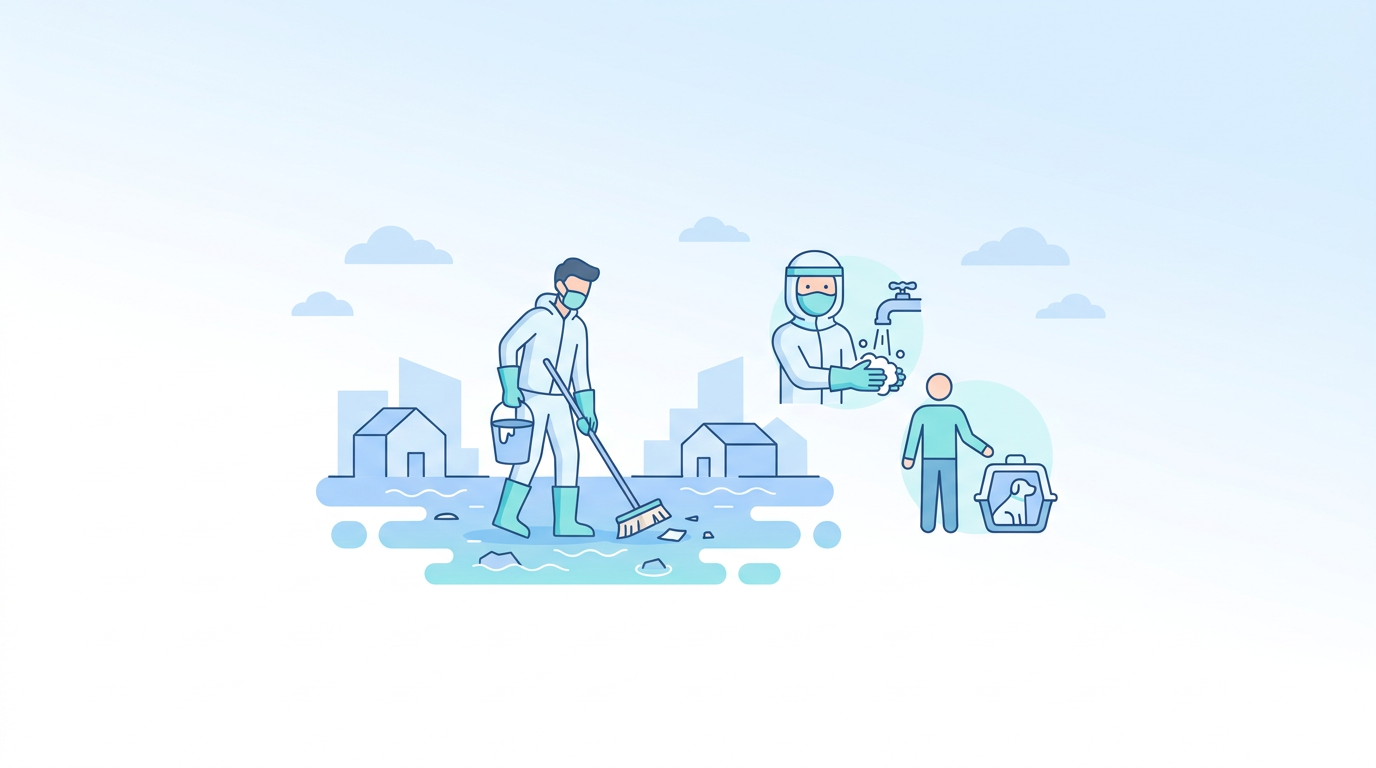
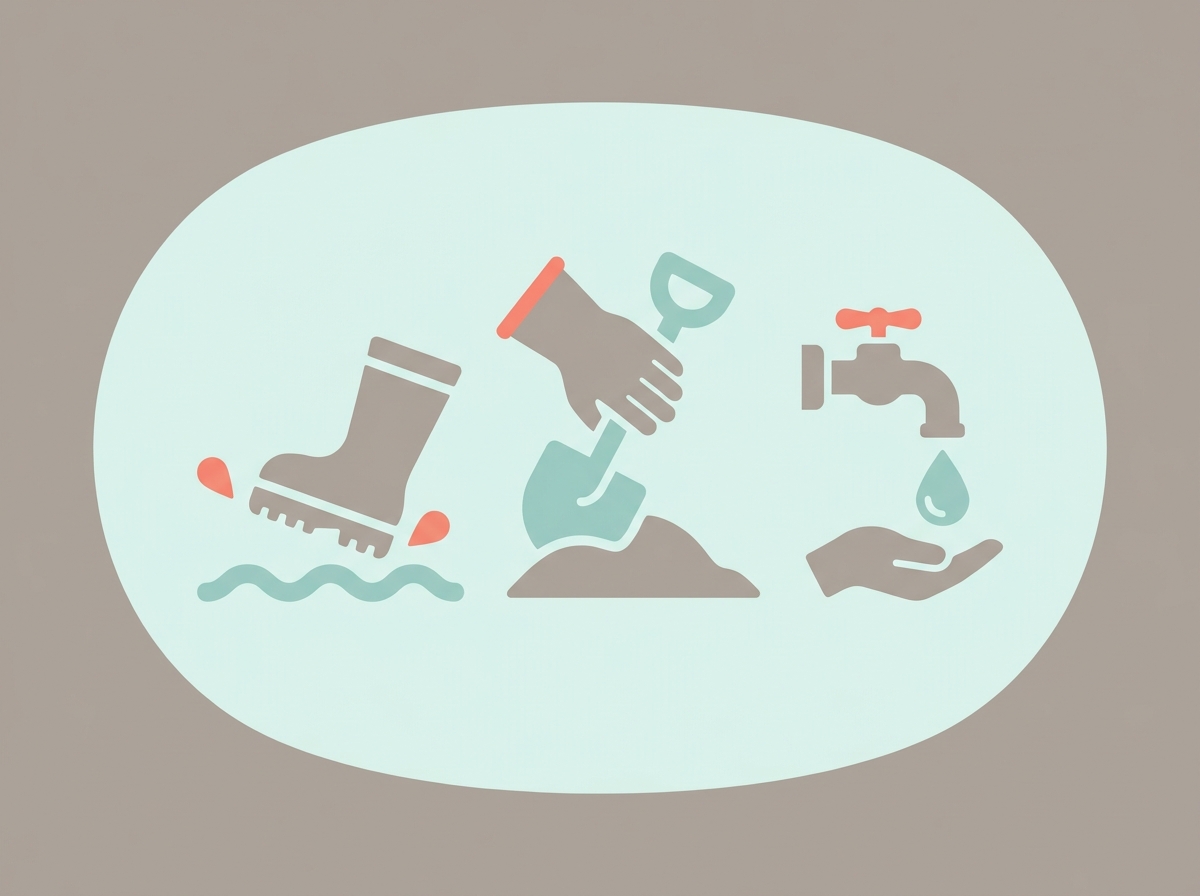
    Leptospirosis after flood cleanup prevention safety guide image

    Why Is Leptospirosis After Flood Cleanup Such a Serious Risk?

    The risk of leptospirosis after flood cleanup comes from water or soil contaminated with infected animals’ urine, since that risk spikes in flooded areas.

    Leptospirosis is a bacterial infection caused by Leptospira bacteria that spreads through contaminated water or soil. Rats and other rodents, along with livestock, can carry the bacteria chronically and shed it in their urine, contaminating muddy water, standing puddles, and soil.

    You can get infected when that contaminated water or soil touches a skin wound or your eyes, nose, or mouth. In Korea, it’s classified as a Class 3 legally notifiable infectious disease that health authorities actively track.

    Key Point
    The risk of leptospirosis after flood cleanup lingers because Leptospira bacteria can survive in contaminated water or soil for days after floodwater recedes, entering through open wounds or mucous membranes.

    What Are the Early Symptoms of Leptospirosis?

    Recognizing the symptoms of leptospirosis after flood cleanup matters early, since symptoms usually appear 5 to 14 days after exposure (up to 30 days in some cases) and start off looking like a common flu.

    Sudden fever, chills, headache, severe muscle aches (especially in the calves), red eyes, and vomiting are the classic early signs. Because these symptoms feel so ordinary, many people delay seeing a doctor.

    Phase Common symptoms
    Early phase Fever, chills, headache, calf muscle pain, red eyes, vomiting
    Severe phase Jaundice, kidney failure, lung bleeding, meningitis (Weil’s disease)
    Key Point
    If jaundice develops in the severe phase, the case fatality rate is 5 to 15 percent, and it can exceed 50 percent if lung bleeding occurs. Early diagnosis and treatment make the biggest difference.

    What Safety Rules Prevent Leptospirosis After Flood Cleanup?

    Minimizing skin exposure and covering any wounds is the core of preventing leptospirosis after flood cleanup, and it’s simpler than it sounds.

    Never touch contaminated water or mud with bare hands or feet, and always wash thoroughly once you’re done working.

    Checklist
    ✅ Wear rubber boots and gloves
    ✅ Cover open wounds with waterproof bandages
    ✅ Avoid direct contact with contaminated water or soil
    ✅ Wash your hands and feet with soap right after cleanup
    ✅ Boil or disinfect drinking water before use

    Seal any wounds completely with a waterproof bandage before you start, and wash your work clothes the same day. Disinfect any objects or surfaces that touched floodwater to avoid secondary contamination.


    What Should You Do If Symptoms Appear?

    If you develop a fever or muscle aches consistent with leptospirosis after flood cleanup work, see a doctor right away and tell them about your exposure to floodwater.

    Caught early, leptospirosis is usually treated with oral antibiotics like doxycycline. Severe cases require IV antibiotics such as penicillin G. Don’t try to self-diagnose or self-medicate — always consult a doctor or pharmacist.

    If you’re seeking care in Korea, it’s worth knowing about National Health Insurance (NHI, Korea’s public health insurance system that covers most residents and significantly lowers out-of-pocket costs at hospitals and clinics).

    Caution
    Mild-looking symptoms can worsen rapidly within days. If your fever persists, your urine output drops, or your skin or eyes turn yellow, go to an emergency room immediately.

    (Internal link: to be replaced once a related article is published) For more on infectious diseases linked to flooding, including leptospirosis after flood cleanup, see the Disease Encyclopedia.


    Frequently Asked Questions

    1. Can leptospirosis spread from person to person?
    Person-to-person spread is very rare — most infections come from contaminated water or soil. Still, see a healthcare provider for an accurate diagnosis and treatment.

    2. Is there a vaccine for leptospirosis?
    There’s no vaccine in widespread public use in Korea. Avoiding exposure is the most important prevention strategy. People in high-risk occupations should discuss options with a doctor.

    3. If I have no symptoms during the incubation period, am I in the clear?
    Not necessarily. The incubation period varies by person and can run up to 30 days, so keep monitoring your health for about a month after any floodwater exposure.

    4. Can pets get leptospirosis too?
    Yes, dogs and other pets can be infected and can pass it to people, so limit close contact when working alongside pets in flood-affected areas.

    5. Am I safe if I don’t have any visible wounds?
    Not necessarily. Infection can also occur through tiny, unnoticed cuts or mucous membranes, so protective gear like boots and gloves is recommended regardless of visible wounds.

    References

    (Korea Disease Control and Prevention Agency, KDCA), “Leptospirosis” (렙토스피라증), National Health Information Portal, 2026, Link
    (Asan Medical Center), “Leptospirosis” (렙토스피라증), Disease Encyclopedia, 2026, Link
    (CDC), “Preventing Leptospirosis after Hurricanes or Flooding”, 2026, Link
    (CDC), “About Leptospirosis”, 2026, Link

    This article is for general informational purposes only and is not a substitute for professional medical advice, diagnosis, or treatment. Please consult a qualified healthcare provider if you have health concerns.
  • Malaria Symptoms Korea: 3 Warning Signs to Know (2026)

    Malaria Symptoms Korea: 3 Warning Signs to Know (2026)

    SummaryKorea’s 2026 malaria warning: key malaria symptoms Korea residents should know, mosquito habitats, and incubation period explained with KDCA data.

    On June 22, 2026, Korea’s disease control agency issued a nationwide malaria warning. Mosquito index levels crossed the threshold not just near the border but in Guro-gu, Seoul.

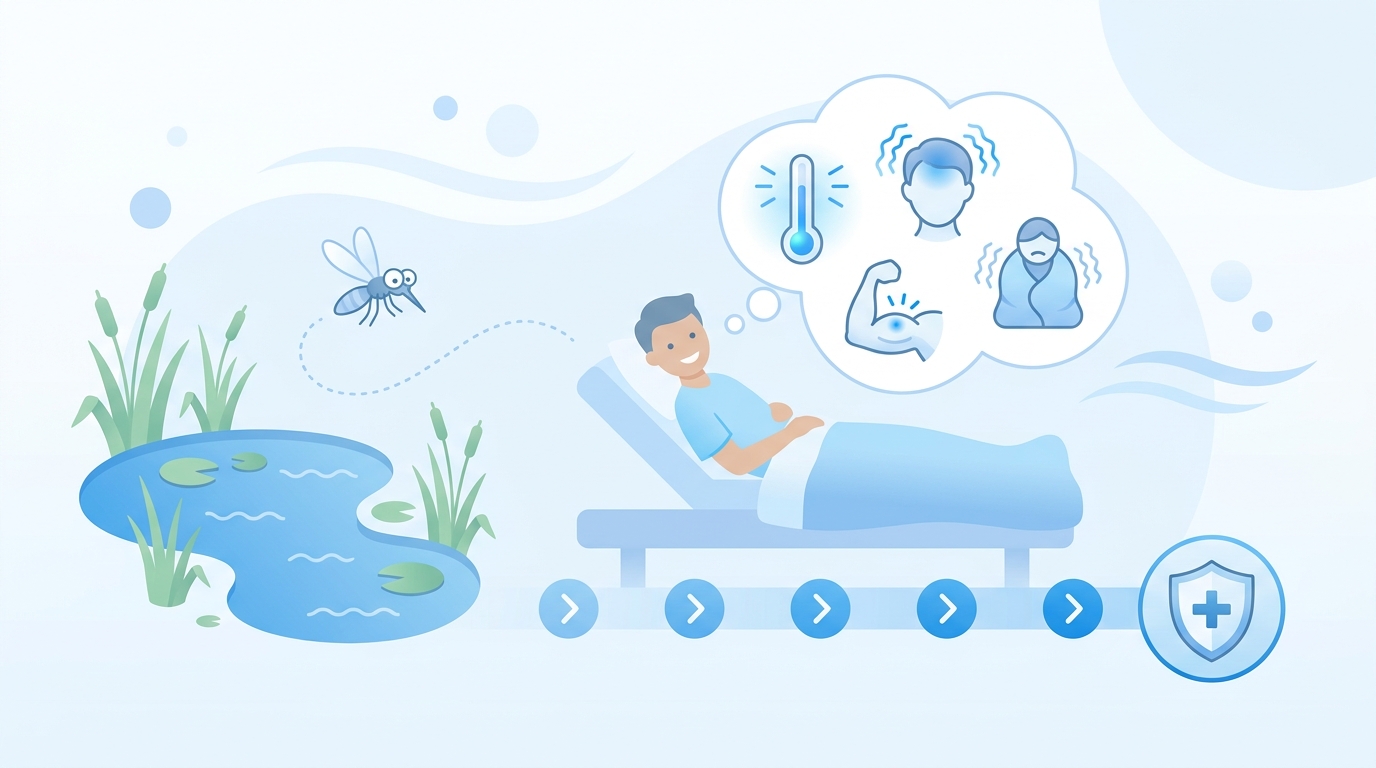
    If you thought malaria was only a border-region problem, it’s time to double-check. Repeated fever and chills might not be a simple cold.

    This article covers why Korea’s 2026 malaria warning was issued, the key malaria symptoms Korea residents should watch for, mosquito habitats, and the incubation period behind delayed fevers, based on KDCA data. You’ll also find risk areas and prevention tips.

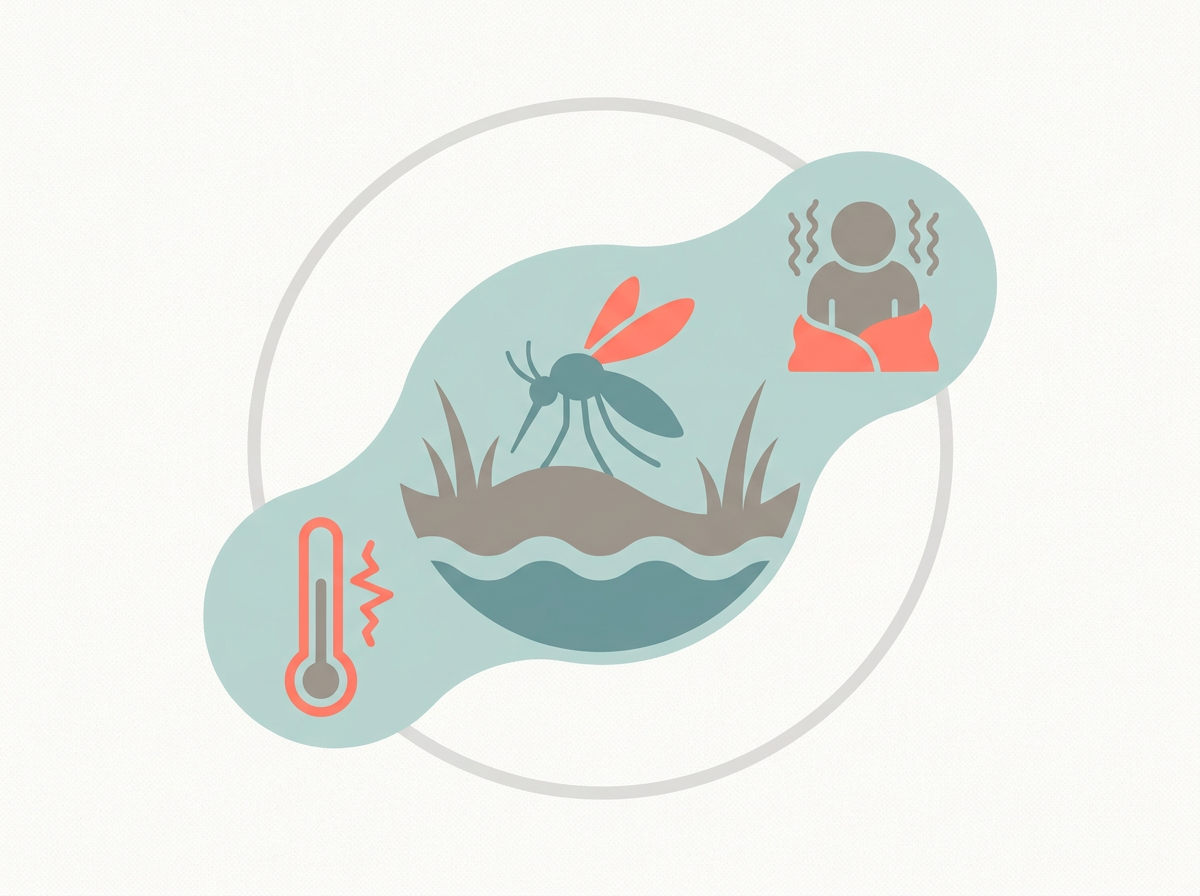
    Illustration explaining malaria symptoms Korea and Anopheles mosquito habitats

    Why was Korea’s malaria warning issued now?

    The Korea Disease Control and Prevention Agency (KDCA) issued the nationwide warning on June 22, 2026, after Anopheles mosquito density crossed the alert threshold.

    A malaria warning is declared when three or more cities or counties record a mosquito Trap Index (TI) of 0.5 or higher. In week 24 of 2026, Paju (0.8), Ganghwa (1.0), Yanggu (0.7), and Guro-gu (0.5) all met that bar.

    Through week 24 (Jan. 1–June 13), Korea recorded 74 domestic cases, down 45.6% from 136 in the same period last year. Still, cases keep appearing, mostly in Gyeonggi (58.1%), Incheon (23.0%), and Seoul (10.8%).

    Key Point
    Warning threshold: mosquito index 0.5+ in 3 or more areas
    2026 warning areas: Paju, Ganghwa, Yanggu, Guro-gu
    2026 cases: 74 (down 45.6% year-over-year)

    Source: KDCA (Korea Disease Control and Prevention Agency), “Nationwide Malaria Warning Issued,” 2026.


    What are the malaria symptoms Korea residents should recognize?

    The clearest sign is a recurring cycle of fever, chills, and sweating — a pattern that sets it apart from an ordinary cold.

    Malaria symptoms are fever, chills, sweating, headache, muscle pain, nausea, vomiting, and diarrhea that recur in cycles.

    Most Korean cases involve vivax malaria, which often follows a pattern of fever one day, none the next, then fever again the day after. Early on, it’s easy to mistake for a bad case of the flu, which can delay diagnosis.

    Key Point
    Main symptoms: fever, chills, sweating, headache, muscle pain, nausea, vomiting, diarrhea
    Vivax malaria pattern: fever recurs every other day
    Caution
    If fever develops after visiting a risk area, see a doctor or public health center right away and mention your travel history.

    Where do malaria-carrying mosquitoes live in Korea?

    Malaria mosquito habitats are standing-water spots — rice paddies, irrigation channels, and puddles — where larvae develop.

    Anopheles mosquitoes are medium-sized mosquitoes with black-and-white speckled wings that rest with their abdomen tilted upward at 40–50 degrees.

    Adults feed mostly at night, often on cattle, horses, and pigs, then rest in grass near livestock sheds. That’s why border-adjacent areas like Paju, Ganghwa, Yeoncheon, Cheorwon, and Yanggu — rich in this kind of habitat — report the most cases.

    Checklist: Spotting an Anopheles mosquito
    ✅ Black-and-white speckled wings
    ✅ Rests with abdomen tilted upward
    ✅ Common near paddies, channels, puddles, and livestock sheds
    ✅ Most active from dusk to dawn

    How long is the malaria incubation period before fever starts?

    The malaria incubation period can be as short as 12–17 days, but in some cases the first fever doesn’t appear until the following year.

    The incubation period is the stretch between a mosquito bite and the first symptoms. Vivax malaria in Korea shows both a short form (about 15 days on average) and a long form (6–12 months).

    That means you could be bitten this summer and not run a fever until the next one. Because of this, always mention any visit to a risk area when seeing a doctor, no matter how long ago it was.

    Key Point
    Short incubation: 12–17 days (about 15 on average)
    Long incubation: 6–12 months, sometimes the following year
    Checklist: Prevention
    ✅ Avoid outdoor activity from dusk to dawn
    ✅ Wear light-colored, long clothing
    ✅ Use mosquito repellent
    ✅ Repair screens and use bed nets
    ✅ Use indoor insecticide

    Frequently Asked Questions

    1. Am I safe if I don’t live in a risk area like Paju or Ganghwa?
    Not necessarily. If you’ve visited a risk area or spent evenings outdoors nearby, you’re still at some risk. Guro-gu, a non-border district in Seoul, is also under the current warning.

    2. Is malaria in Korea as dangerous as malaria abroad?
    Domestic cases are almost always vivax malaria, which tends to be milder than falciparum malaria found in tropical regions. Even so, delayed treatment can lead to complications, so early care matters.

    3. How long should I watch for symptoms after a mosquito bite?
    Short-incubation cases show up within 2–3 weeks, but Korea’s vivax malaria can also have a long incubation period, so it’s worth staying alert to fever for up to a year.

    4. Is there a vaccine or preventive drug for malaria in Korea?
    There’s no routine vaccination for Korea’s domestic risk areas. Physical prevention — repellent, screens, and bed nets — is the main defense. If you’re traveling to a high-risk region abroad, ask your doctor or pharmacist about preventive medication.

    5. What tests will a doctor run to check for malaria?
    Doctors typically order a blood smear test under a microscope, a rapid antigen test, or a PCR test if needed. Mentioning your travel or residence history in a risk area helps speed up diagnosis.

    References

    Korea.kr Policy Briefing, “Nationwide Malaria Warning Issued” (전국 말라리아 주의보 발령), 2026. Link
    KDCA, “Malaria Infection Control” (말라리아감염병관리). Link
    World Health Organization (WHO), “Malaria” Fact Sheet, 2025. Link
    Mayo Clinic, “Malaria – Symptoms and causes.” Link

    Note: Korea’s national health insurance (a mandatory public health coverage system all residents pay into) covers malaria testing and treatment at Korean hospitals and clinics.

    For more disease information, visit the Disease Encyclopedia category. (Internal link: recommend replacing once a related article is published)

    This article is for general informational purposes only and is not a substitute for professional medical advice, diagnosis, or treatment. Please consult a qualified healthcare provider if you have health concerns.
  • COVID-19 Self-Test Kit: 4 Steps to Use It Right (2026)

    COVID-19 Self-Test Kit: 4 Steps to Use It Right (2026)

    SummaryLearn how to use a COVID-19 self-test kit in 4 easy steps, from swabbing to reading results, plus how accurate rapid antigen tests really are in 2026.

    Korea’s health authorities lifted the official COVID-19 “watch” alert on July 7, 2026, after 2,378 days of monitoring. That sounds like good news — but it’s not the full picture.

    Experts have flagged a once-dormant variant lineage making a comeback, and officials are still watching closely for a summer resurgence. If you’ve pulled an old self-test kit out of a drawer, you might be fuzzy on the exact steps.

    This guide walks you through how to use a COVID-19 self-test kit in four steps, explains how accurate rapid antigen tests really are, and covers what to do if your result comes back positive or unclear.

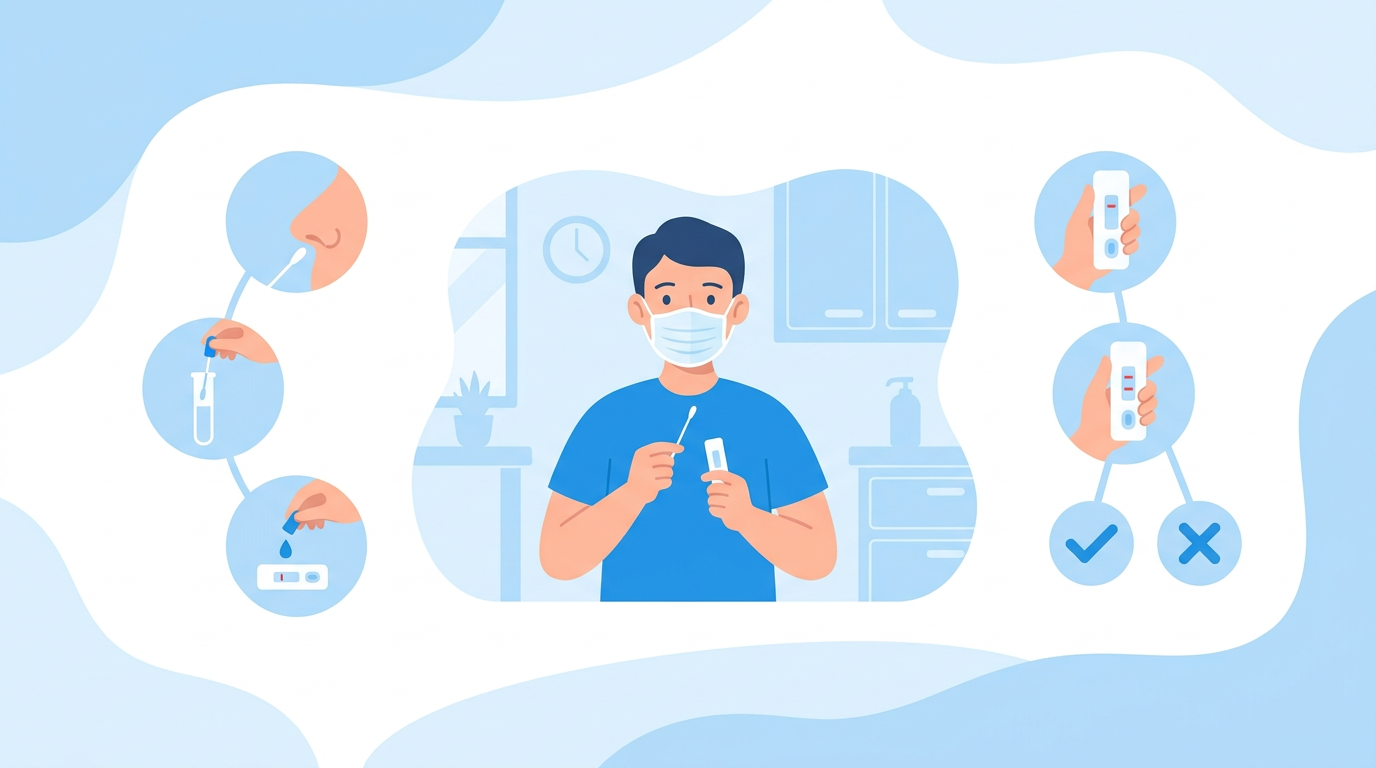
    Step-by-step illustration showing how to use a COVID-19 self-test kit

    Is COVID-19 spreading again this summer?

    Not a nationwide surge yet, but health authorities are closely watching signs of a possible summer resurgence.

    A COVID-19 resurgence means case and hospitalization numbers turn upward again after a period of decline. The Korea Disease Control and Prevention Agency (KDCA), Korea’s equivalent of the CDC, lifted its “watch” alert level on July 7, 2026, after 2,378 days. That’s a lower crisis level — it doesn’t mean the virus is gone.

    Some infectious disease specialists have pointed out that a variant lineage that stayed quiet for years is spreading again. Health authorities have also kept holding response meetings to monitor summer resurgence signs.

    Key Point
    The official crisis level dropped, but variant activity and summer resurgence risk are still being watched. If you have symptoms, testing yourself with a COVID-19 self-test kit first is a smart habit.

    How do I use a COVID-19 self-test kit?

    Wash your hands, swab your nose, mix the sample, and read the result after about 15 minutes.

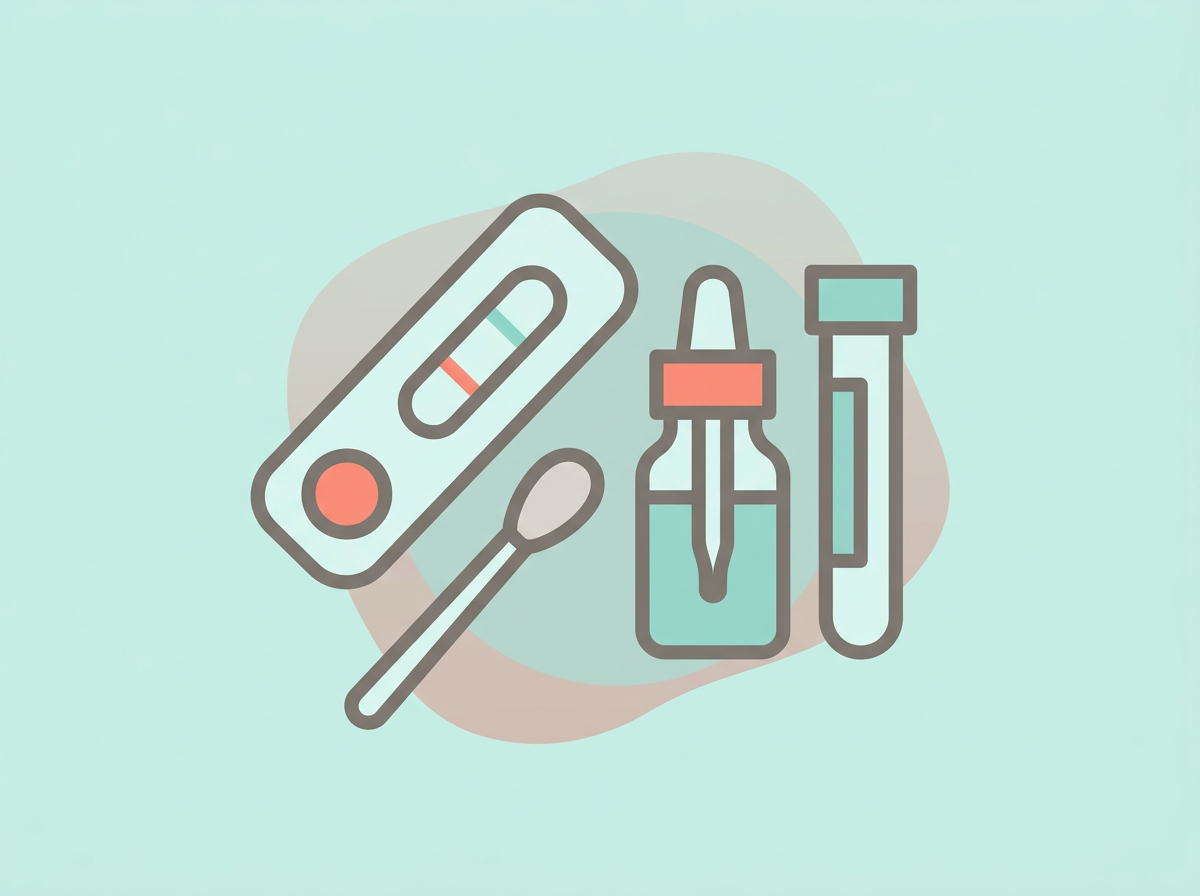
    A COVID-19 self-test kit is an at-home tool that detects viral proteins (antigens) in a nasal sample, giving you a quick first read on infection. You don’t need medical training — just 15 minutes.

    Step What to do
    ① Prepare Wash your hands and test in a well-ventilated space.
    ② Swab Insert the swab about 1.5–2cm into each nostril and rotate it roughly 10 times.
    ③ Mix Swirl the swab in the solution tube 10+ times, then squeeze it out and remove it.
    ④ Read Check after about 15 minutes. One line means negative; two lines means positive.
    Key Point
    Avoid blowing your nose or touching inside your nostrils for at least 15 minutes before testing. Unlike tests done at a screening clinic (a public COVID-19 testing site run by Korean local health authorities), a self-test’s accuracy depends heavily on how well you swab.
    Checklist
    ✅ Don’t touch or blow your nose for 15 minutes before testing
    ✅ Check the package for regulatory approval (in Korea, MFDS-approved products)
    ✅ Don’t use a kit past its expiration date
    ✅ Seal and dispose of the used swab and tube properly

    Source: Korea’s Ministry of Food and Drug Safety (MFDS) and Seoul Metropolitan Government, “Correct Use and Guidelines for COVID-19 Self-Test Kits.”


    How accurate is a rapid antigen test?

    Specificity is over 99%, but sensitivity ranges from about 71% to 87% depending on your symptoms and test timing.

    Sensitivity is how well a test catches a true infection; specificity is how well it correctly rules one out. A meta-analysis published in Clinical Microbiology and Infection found that FDA-authorized rapid antigen tests had an average sensitivity of 84.5% and specificity of 99.6%.

    Category Sensitivity
    With symptoms About 87%
    Without symptoms About 71%
    FDA-authorized average (2025 meta-analysis) About 84.5%
    Caution
    A self-collected swab tends to be less accurate than one taken by a trained professional. Early in an infection, viral load can be too low to detect, so a negative result doesn’t always rule out COVID-19.

    Source: Clinical Microbiology and Infection (ScienceDirect) meta-analysis, 2025; systematic review, PMC.


    What should I do if my result is positive or unclear?

    Treat even a faint second line as positive. Retest after 48 hours or get a PCR test at a screening clinic if you need confirmation.

    The U.S. FDA and CDC recommend serial testing: two tests 48 hours apart if you have symptoms, or three tests 48 hours apart if you don’t. A single negative result isn’t enough to fully rule out infection — repeat testing raises accuracy.

    If your self-test comes back positive, visiting a nearby screening clinic or clinic for a confirmatory PCR test is the safest next step. If you’re in a high-risk group — older adults or people with underlying conditions — talk to a doctor promptly, even with mild symptoms.

    Caution
    The methods and figures in this article are general information and can’t replace an individual diagnosis or treatment plan. Get an accurate diagnosis from a healthcare provider.

    For more exam and procedure guides, visit our Exams & Procedures Guide category. (Internal link: to be replaced once a related article is published)


    Frequently Asked Questions

    1. I have symptoms but my first test was negative — what now?
    Retest after 48 hours. Early in an infection, viral load can be too low to detect, so a true infection can still show a negative result at first.

    2. When should an asymptomatic close contact get tested?
    Testing once right after exposure isn’t as reliable as testing again a few days later. If you’ve been exposed, consider repeat testing even without symptoms.

    3. Where can I buy a COVID-19 self-test kit?
    You can buy one at pharmacies and convenience stores. Check that the product is officially approved (MFDS-approved in Korea) and not expired.

    4. If my self-test is positive, do I have to see a doctor?
    If you’re in a high-risk group or have severe symptoms, seeing a healthcare provider is the safer choice. Get a confirmatory PCR test at a screening clinic if needed.


    References

    (Korea Disease Control and Prevention Agency, KDCA), “Press Release on COVID-19 Crisis Level Adjustment,” 2026. Link
    (Seoul Metropolitan Government / Ministry of Food and Drug Safety), “Correct Use and Guidelines for COVID-19 Self-Test Kits.” Link
    (Medical News/의학신문), “KDCA Closely Monitoring Summer COVID-19 Resurgence,” 2026. Link
    (Clinical Microbiology and Infection), “Preapproval and postapproval diagnostic test accuracy of FDA-authorized rapid antigen SARS-CoV-2 tests,” 2025. Link
    (U.S. Centers for Disease Control and Prevention, CDC), “Testing for COVID-19.” Link
    (Mayo Clinic News Network), “Types of COVID-19 tests and when to use them.” Link


    This article is for general informational purposes only and is not a substitute for professional medical advice, diagnosis, or treatment. Please consult a qualified healthcare provider if you have health concerns.
  • Korea Student Health Checkup 2026: What Grades 4, 7 & 10 Need

    Korea Student Health Checkup 2026: What Grades 4, 7 & 10 Need

    SummaryKorea student health checkup happens each spring for grades 4, 7, and 10. See what’s tested, when dental exams occur, and how to check results.

    That back-to-school checkup notice tucked between school supply lists — did you skim it once and stuff it in a drawer?

    It actually holds useful health information for kids in 4th grade, 1st year of middle school (중1), and 1st year of high school (고1). Here’s exactly when it happens and what to expect.

    The Korea student health checkup is a free annual exam required under Korea’s School Health Act for 1st and 4th grade elementary students, 1st-year middle schoolers, and 1st-year high schoolers. This guide covers the schedule, what’s tested at each grade, when dental checkups happen, and how to read your results.

    Korea student health checkup guide for grades 4, 7, and 10

    When Do Grades 4, 7, and 10 Get Their Korea Student Health Checkup?

    Schools run the checkup at a clinic they’ve designated, usually sometime between March and June once the new school year starts.

    A Korea student health checkup is a government-supported physical exam that Korean schools provide free of charge to students in specific grades each year.

    Among the covered grades, 4th grade, 7th grade (중1), and 10th grade (고1) get noticeably more screening items than 1st grade, which is why parents pay closer attention these years.

    Your child’s school sends a notice home early in the semester listing the designated clinic and dates. You’ll need to sign and return a consent form before your child is scheduled for the visit. Schools typically let families choose between two or more approved clinics.

    Key Point
    Who: 1st and 4th grade elementary, 1st-year middle school, 1st-year high school
    When: Usually March–June, set by each school
    Source: Ministry of Education School Health Information Center (2026)

    What Does the Korea Student Health Checkup Actually Test?

    Every grade gets the same core exam: height, weight, vision, hearing, urine test, blood pressure, and a health questionnaire. Older grades add color-vision testing, chest X-rays, or blood work.

    The core exam is the baseline set of tests every enrolled student receives, regardless of grade.

    Grade Core Tests Added Tests
    1st grade (elem.) Height, weight, vision, hearing, urine, blood pressure, questionnaire Blood type test
    4th grade (elem.) Core exam Color-vision test; blood work (glucose, cholesterol, etc.) if flagged for obesity
    7th grade / 중1 Core exam Color vision, chest X-ray, hepatitis B antigen, blood work if flagged for obesity
    10th grade / 고1 Core exam Color vision, chest X-ray, hemoglobin test (girls), blood work if flagged for obesity
    Checklist
    ✅ For girls, schedule the urine test about a week after menstruation ends
    ✅ Kids flagged for obesity screening should fast for 8+ hours beforehand
    ✅ Bring glasses or hearing aids your child normally uses
    ✅ Fill out the health questionnaire at home before the visit

    When Should Kids Get Their Student Dental Checkup?

    The dental checkup is separate from the health checkup — your child visits one of the dental clinics the school has designated.

    A student dental checkup is an exam that checks for cavities, gum disease, and general oral hygiene under Korea’s School Health Act.

    Currently, all elementary grades plus 7th grade (중1) and 10th grade (고1) are covered. Bring the dental checkup form your school sends home and pick one of the two or more designated clinics listed. The exam covers a visual check, plaque assessment, and oral hygiene evaluation, and may lead to fluoride treatment or sealants if needed.

    Source: Korea Dental News (2026) reports that elementary dental checkups, once limited to alternating grades, are being expanded to cover every elementary grade.


    How Do You Check Results, and What If Something Comes Up?

    Results arrive by mail within 30 days of the checkup. You can also look them up on the website or app of the National Health Insurance Service (NHIS), the public agency that runs Korea’s national health insurance program.

    If the results flag something like reduced vision, spinal curvature, or abnormal blood values, it’s worth following up with a pediatrician, ophthalmologist, or orthopedist.

    Not sure where to go or how the system works? Our Hospital Guide for Korea walks through the basics.

    Caution
    Starting March 2027, the NHIS is set to take over running the student health checkup, letting families pick their own clinic and timing instead of a school-assigned one. Watch for updates from your child’s school.
    Source: Hankook Ilbo (June 30, 2026)

    Frequently Asked Questions

    1. Q. Is the student health checkup mandatory?
    A. It’s run under the School Health Act, and schools generally expect every eligible student to take part. If your child can’t attend, let the homeroom teacher know ahead of time.

    2. Q. How much does it cost?
    A. The standard tests are publicly funded, so there’s no charge. If the clinic offers extra tests beyond the required items, those may cost extra.

    3. Q. Can the dental checkup and the health checkup happen on the same day?
    A. Usually not — they’re run by different clinics on different schedules. Check the dates on the notice your school sends home.

    4. Q. Does an abnormal result affect my child’s school record?
    A. No. Results are used only for your child’s personal health management and have no bearing on academic records.


    References

    Ministry of Education, School Health Information Center, “Student Health Examination Overview” (학생건강검사 개요), 2026. Link
    National Health Insurance Service, “Student Health Checkup Guide” (학생건강검진 안내), 2026. Link
    Hankook Ilbo, “Student Health Checkups to Allow Free Clinic Choice Starting Next Year” (학생 건강검진, 내년부터 원하는 병원에서 받는다), June 30, 2026. Link
    Korea Dental News, “Elementary Dental Checkups to Expand to All Grades Next Year” (내년부터 초등생 구강검진 전학년 실시), 2026. Link
    American Academy of Pediatrics, “Periodicity Schedule.” Link

    This article is for general informational purposes only and is not a substitute for professional medical advice, diagnosis, or treatment. Please consult a qualified healthcare provider if you have health concerns.
  • Korea Domestic COVID mRNA Vaccine Trial: 2026 Phase 2 Progress

    Korea Domestic COVID mRNA Vaccine Trial: 2026 Phase 2 Progress

    SummaryKorea domestic COVID mRNA vaccine trial is entering phase 2. See GC Biopharma and Eyegene’s progress, why self-sufficiency matters, and how to join a trial.

    During the COVID-19 pandemic, every mRNA vaccine used in Korea was imported from abroad.

    That reliance raised real concerns about supply delays in an emergency.

    In 2026, though, a domestically developed COVID mRNA vaccine is heading into phase 2 trials.

    This article covers the latest progress on the Korea domestic COVID mRNA vaccine trial, why vaccine self-sufficiency matters, and how you can join a clinical trial yourself.

    Illustration of Korea's domestic COVID mRNA vaccine trial progress

    How far has the Korea domestic COVID mRNA vaccine trial come?

    In July 2026, GC Biopharma (GC녹십자) submitted an application to Korea’s Ministry of Food and Drug Safety (MFDS, the country’s drug regulatory authority, similar to the US FDA) to start a phase 2 trial for its COVID-19 mRNA vaccine candidate, GC4006A.

    This submission marks a major step forward for the Korea domestic COVID mRNA vaccine trial effort.

    A clinical trial is a research process that tests a drug’s safety and effects in people. GC Biopharma was selected to run this phase 2 study under a government-backed program for pandemic mRNA vaccine development, jointly overseen by the Korea Disease Control and Prevention Agency (KDCA) and the Korea Health Industry Development Institute.

    Key Point
    · GC Biopharma’s GC4006A: phase 2 starting in 2026, phase 3 application targeted for late 2027, final approval targeted by 2028
    · Eyegene (아이진) consortium’s BMI2012: phase 1 running Dec 2025-Mar 2027, aiming for phase 2 approval

    A consortium led by Eyegene is also developing BMI2012, a homegrown mRNA vaccine candidate targeting COVID-19 variants, under KDCA’s phase 1 support program.

    Source: Hankyung, “GC Biopharma Submits Phase 2 IND for COVID-19 mRNA Vaccine,” 2026


    Why does Korea need domestic vaccine self-sufficiency?

    The Korea domestic COVID mRNA vaccine trial program exists partly because Korea has relied almost entirely on imported COVID mRNA vaccines, and a global shortage during a future pandemic could delay domestic supply.

    Vaccine self-sufficiency means developing and producing vaccines with domestic technology to reduce dependence on outside supply chains. Through this support program, the government aims to build a local mRNA platform that can respond quickly to a future pandemic.

    Caution
    These domestic vaccines are still in clinical trials. Their safety and effectiveness haven’t been confirmed until final approval, so treat news coverage as reporting on a development, not a finished product.

    CEPI, the international Coalition for Epidemic Preparedness Innovations, is also supporting Korea’s mRNA platform work as part of its “100 Days Mission” to compress future vaccine development timelines.

    Source: CEPI, “CEPI supports novel mRNA vaccine development in Korea”


    What phases does an mRNA vaccine clinical trial go through?

    Drug trials in Korea generally move through phase 1, 2, and 3, and each phase checks something different.

    The Korea domestic COVID mRNA vaccine trial follows this same three-phase structure.

    Phase 1 is the stage that tests safety first, in a small group of healthy adults. GC4006A’s phase 2 trial will enroll healthy adults and older adults aged 19 to 85, comparing it directly against an already-approved vaccine to find the optimal dose and measure immune response.

    Checklist – What each phase checks
    ✅ Phase 1: safety in a small group
    ✅ Phase 2: optimal dose and immune response
    ✅ Phase 3: effectiveness and safety in a large group

    As a candidate moves through each phase, the participant pool grows and the data collected gets more detailed.

    Source: Hankyung, 2026; Eyegene consortium press release, 2025


    How can you participate in a clinical trial?

    You can look up the Korea domestic COVID mRNA vaccine trial and other trials currently running in Korea through the Clinical Research Information Service (CRIS), operated by the KDCA.

    CRIS is an online system that registers and publishes information on clinical trials and research conducted in Korea. It’s the World Health Organization’s 11th registered platform under the International Clinical Trials Registry Platform (ICTRP), and you can search it for trials currently recruiting participants.

    Checklist – Before you sign up
    ✅ Confirm the trial has Institutional Review Board (IRB) approval
    ✅ Read the informed consent form carefully — it should explain the purpose, procedures, and possible side effects
    ✅ Check the eligibility criteria (age, health status, etc.)
    ✅ Know who to contact and what happens if you experience side effects

    Joining a clinical trial, including the Korea domestic COVID mRNA vaccine trial, is a decision worth taking seriously — talk it through with the trial’s research team or your doctor before you sign up.

    You can find related articles in the Medications & Supplements category.

    Source: Korea National Institute of Health, “Clinical Research Information Service (CRIS) Introduction”


    Frequently Asked Questions

    1. When will the Korea domestic COVID mRNA vaccine trial lead to an approved vaccine?
    GC Biopharma is targeting final approval by 2028, but the timeline could shift depending on trial results. There’s no confirmed launch date yet.

    2. Do you get paid for joining a clinical trial?
    Compensation, like participation fees or travel reimbursement, varies by trial. Contact the specific trial site directly for details.

    3. Is it risky to join a clinical trial?
    Every trial goes through IRB review and has a system for monitoring adverse events, but the possibility of side effects can’t be ruled out entirely. Get a full explanation before you decide.

    4. How is the domestic mRNA vaccine different from imported ones?
    The underlying mRNA platform works similarly, but developing and producing it domestically is what makes it a self-sufficiency milestone. Any difference in effectiveness can’t be confirmed until trial results are final.

    5. Who’s eligible to join a clinical trial?
    Eligibility criteria like age and health status vary by trial. Check CRIS or contact the trial site directly for accurate requirements.

    References

    (Hankyung), “GC Biopharma Submits Phase 2 IND for COVID-19 mRNA Vaccine” (GC녹십자, 코로나 mRNA 백신 임상 2상 IND 제출), 2026. Link
    (Hankyung), “Eyegene Consortium Selected for KDCA’s Pandemic mRNA Vaccine Phase 1 Support Program” (아이진 컨소시엄, 질병청 ‘팬데믹 대비 mRNA 백신개발 임상 1상 지원사업’ 선정), 2025. Link
    (Korea National Institute of Health), “Clinical Research Information Service (CRIS) Introduction”. Link
    (CEPI), “CEPI supports novel mRNA vaccine development in Korea to protect against future Disease X”. Link

    This article is for general informational purposes only and is not a substitute for professional medical advice, diagnosis, or treatment. Please consult a qualified healthcare provider if you have health concerns.